


Can onychomycosis (gray nail) be completely cured after nail avulsion?
Aug 01, 2022
Source: Cainiu Health

Dr. Liu Wan
Introduction
Removing the affected nail cannot guarantee complete eradication of onychomycosis. Onychomycosis is a fungal infection of the nail; if the fungal infection is not fully eliminated, nail removal alone will not achieve a cure. After nail avulsion, continued topical antifungal therapy is required. Nail avulsion is a surgical procedure to remove the infected nail, but it is currently not recommended as a treatment for onychomycosis.
Fingernails play an essential role in daily life. Once infected with onychomycosis (commonly known as “gray nail”), patients may experience significant disruptions to their work and daily activities. If left untreated for prolonged periods, the condition can even lead to psychological distress. So, can onychomycosis be completely cured by nail avulsion (removal)?
Can onychomycosis be completely eradicated after nail avulsion?
Nail avulsion alone does not guarantee complete eradication of onychomycosis. Onychomycosis is a fungal infection of the nail. If the underlying fungal infection is not fully eliminated, removing the affected nail will not achieve a cure. Following nail avulsion, continued local antifungal therapy is necessary.
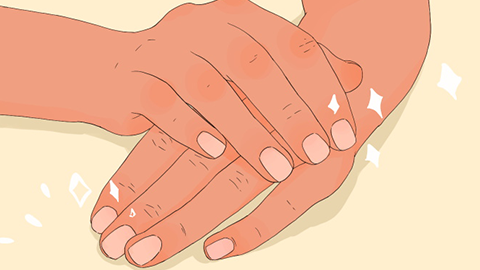
Nail avulsion involves surgically removing the infected nail to eliminate the fungus. However, this approach is currently not recommended for treating onychomycosis. Nail avulsion is relatively painful and causes considerable trauma to the patient, increasing the risk of secondary bacterial infections—such as paronychia or nail bed inflammation. Moreover, after avulsion, the newly regrown nail is often smaller than the original, potentially leading to ingrown nails, cosmetic concerns, and pain.
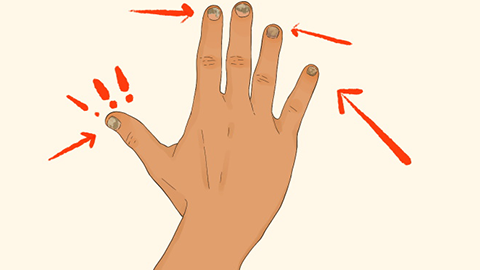
In current clinical practice, infected nails are typically debrided using surgical blades or nail files. Alternatively, topical medications may be applied to soften and facilitate nail shedding, followed by local antifungal treatment. Commonly used topical agents include ciclopirox and amorolfine, which deliver medication directly to the site of infection for enhanced efficacy. Oral antifungal medications—such as terbinafine or itraconazole—may also be prescribed under medical supervision. Complete eradication of the causative fungus is essential to achieve a definitive cure. We hope this information is helpful to you!


