


Can povidone-iodine treat onychomycosis (gray nail)?
Aug 02, 2022
Source: Cainiu Health

Dr. Liu Wan
Introduction
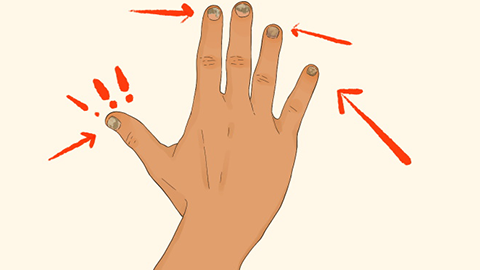
Povidone-iodine can treat mild onychomycosis (fungal nail infection), but it is effective only for mild cases. Onychomycosis is primarily caused by fungal infection of the nail bed; povidone-iodine inhibits fungal proliferation and may cure mild cases. Therefore, povidone-iodine may be used for treating onychomycosis. However, if symptoms are severe, antifungal medications should be administered under the guidance of a qualified physician.
Povidone-iodine is commonly encountered and frequently used in daily life—for instance, for disinfecting wounds and abrasions—and is also highly practical for home use. But can povidone-iodine treat onychomycosis (commonly known as “gray nail” or “ringworm of the nail”)?
Can povidone-iodine treat onychomycosis?
Povidone-iodine can be used to treat mild onychomycosis, but it is generally ineffective against moderate to severe cases. Onychomycosis is primarily caused by fungal infection of the nail bed; povidone-iodine inhibits fungal proliferation and may effectively resolve mild infections. Therefore, it may be applied during early-stage onychomycosis. However, if symptoms are severe, antifungal medications—either topical or oral—should be administered under the guidance of a qualified healthcare professional.
Povidone-iodine is primarily used for its broad-spectrum antimicrobial and disinfectant properties. Also known as povidone-iodine solution, it is an external antiseptic agent employed for disinfection and preservation. It effectively kills a wide range of microorganisms, including bacteria, bacterial spores, viruses, and fungi. Its mechanism of action involves dissociation upon contact with wounds or affected areas, releasing free iodine that exerts potent germicidal activity. A key advantage of povidone-iodine is its low tissue irritation, making it suitable for application on both skin and mucous membranes. Clinically, it is commonly used to manage suppurative dermatitis, superficial fungal skin infections, and minor, small-area thermal burns, as well as for disinfection of minor skin/mucosal lesions and wounds.
However, prolonged or frequent use may damage the stratum corneum, compromising the skin’s natural barrier function. Moreover, as an oxidizing agent, povidone-iodine not only eliminates pathogenic microbes at the site but may also eradicate beneficial commensal flora—potentially leading to secondary infections, including opportunistic fungal overgrowth. We hope this information proves helpful. Wishing you good health and happiness!


