


What Traditional Chinese Medicine (TCM) herbs are used for emphysema?
Aug 01, 2022
Source: Cainiu Health

Dr. Guo Xiheng
Introduction
Emphysema commonly occurs in bronchial asthma and chronic obstructive pulmonary disease (COPD). In Traditional Chinese Medicine (TCM), it falls under the category of “Fei Zhang” (pulmonary distension), which fundamentally stems from deficiency of Qi in the Lung, Spleen, and Kidney. Therefore, TCM treatment primarily focuses on tonifying the Lung, strengthening the Spleen, and nourishing the Kidney. Specific herbal medicines include Cordyceps sinensis, Gecko, Astragalus membranaceus (Huang Qi), Codonopsis pilosula (Dang Shen), Dioscorea opposita (Shan Yao), Poria cocos (Fu Ling), Atractylodes macrocephala (Bai Zhu), Lilium brownii (Bai He), Apricot kernel (Xing Ren), and Glycyrrhiza uralensis (Gan Cao).
Emphysema is a common condition encountered in daily life. When emphysema occurs, it is essential to select scientifically sound treatment approaches. Integrated traditional Chinese medicine (TCM) and Western medicine offer effective strategies for managing emphysema; particularly, selecting appropriate herbal remedies is crucial. So, which traditional Chinese herbs are used for emphysema?
Which Traditional Chinese Herbs Are Used for Emphysema?
Emphysema commonly arises secondary to bronchial asthma or chronic obstructive pulmonary disease (COPD). In TCM theory, it falls under the category of “lung distension” (Fei Zhang), fundamentally characterized by deficiency of Qi in the Lung, Spleen, and Kidney. Therefore, TCM treatment focuses primarily on reinforcing Lung Qi, strengthening the Spleen, and tonifying the Kidney. Commonly used herbs include Cordyceps sinensis (Dong Chong Xia Cao), Gecko (Ge Jie), Astragalus membranaceus (Huang Qi), Codonopsis pilosula (Dang Shen), Dioscorea opposita (Shan Yao), Poria cocos (Fu Ling), Atractylodes macrocephala (Bai Zhu), Lilium brownii (Bai He), Apricot kernel (Xing Ren), and Glycyrrhiza uralensis (Gan Cao). These herbs collectively exert effects such as tonifying Lung Qi, strengthening the Spleen, and nourishing the Kidney—thereby enhancing overall Qi, fortifying the Spleen, replenishing Kidney Qi, and invigorating vital energy. They effectively alleviate symptoms associated with Lung Qi deficiency—such as heart failure following exertion, wheezing, chest tightness, shortness of breath, and spontaneous sweating—and help control the progression of emphysema. Thus, herbal therapy addresses the root cause of emphysema.
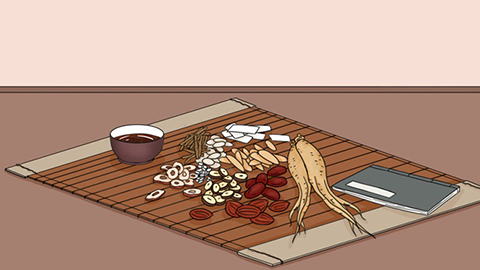
Compared with conventional pharmaceuticals, traditional Chinese herbs generally produce fewer adverse effects and often yield relatively rapid therapeutic benefits. Patients with emphysema may use herbal remedies to improve symptoms and mitigate disease progression. A representative herbal formula may include Zi Jing (Amethyst), Cinnamon bark (Rou Gui), Aloe vera (Lu Hui), Ophiopogon japonicus (Mai Dong), Rehmannia glutinosa (Di Huang), Cornus officinalis (Shan Zhu Yu), Poria cocos (Fu Ling), Paeonia suffruticosa (Mu Dan Pi), Dioscorea opposita (Shan Yao), Schisandra chinensis (Wu Wei Zi), and Cordyceps sinensis (Dong Chong Xia Cao), prepared as a decoction. Patients are advised to avoid highly pungent or stimulating foods—such as pepper and chili—and to limit intake of lard. Emphysema can lead to a range of clinical manifestations, especially dyspnea, respiratory distress, cough, and sputum production. During treatment, patients should actively improve ventilation, focus on resolving phlegm, administer anti-infective therapy when indicated, and receive supplemental oxygen to increase blood oxygen saturation and relieve respiratory difficulty.
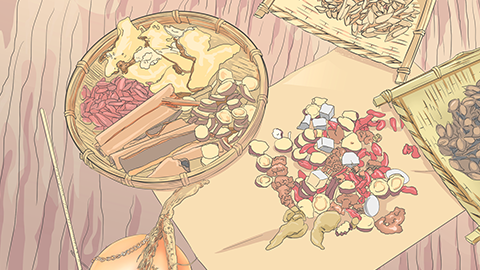
Patients are encouraged to maintain healthy lifestyle habits, follow a light and balanced diet, preserve emotional well-being, and avoid spicy or irritating foods. We hope this information proves helpful.


