


What Is the Difference Between Yin Deficiency and Yang Deficiency?
Aug 01, 2022
Source: Cainiu Health

Dr. He Haochen
Introduction
Yin and Yang perform markedly different functions in various zang-fu organs. Broadly speaking, Yang refers to all ascending, activating, uplifting, warming, and stimulating functions, whereas Yin is descending, tranquil, nourishing, and substance-forming—such as fluids, body fluids, and muscle tissue. For example, water, body fluids, and flesh are all considered Yin in nature. When Yang deficiency occurs, symptoms such as aversion to cold and diminished energy arise, along with reduced function of the internal organs.
When your body is affected by certain illnesses or health issues, it often sends warning signals in the form of symptoms. For instance, if you develop yin deficiency, your body may exhibit specific symptoms. So, what distinguishes yin deficiency from yang deficiency?
What Is the Difference Between Yin Deficiency and Yang Deficiency?
Yin and yang perform distinctly different functions across various zang-fu (organ) systems. Broadly speaking, yang represents all ascending, activating, uplifting, warming, and stimulating physiological functions, whereas yin represents descending, calming, nourishing, moistening, and substance-forming functions. For example, bodily fluids, water, and muscle tissue are all considered yin in nature. When yang deficiency occurs, symptoms such as aversion to cold, diminished energy, and reduced organ function manifest—for instance, the spleen’s ability to transform and transport nutrients and fluids becomes impaired.
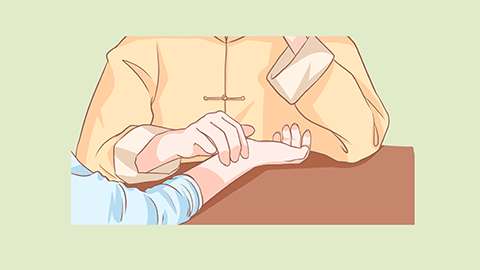
Typical manifestations of yang deficiency include a swollen, pale tongue; cold hands and feet; cold limbs; pallor; and decreased urinary frequency. In contrast, yin deficiency commonly presents with a red tongue, heat sensations in the hands and feet, spontaneous sweating, dizziness, tinnitus, dry mouth, and a dry tongue. Appropriate medications should be selected based on the specific condition. When yang deficiency is diagnosed, treatment with oral yang-tonifying herbs—under professional medical guidance—is recommended. This pattern may arise from prolonged heavy physical labor or chronic nutritional deficiencies.
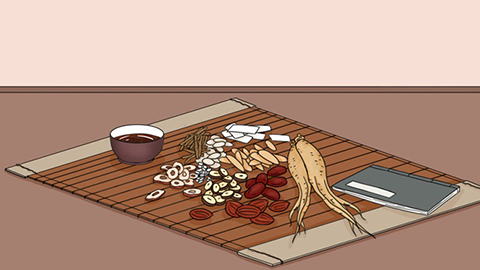
Patients are advised to maintain healthy lifestyle habits, follow a light and balanced diet, avoid spicy and irritating foods, and ensure adequate sleep each night. We hope this information proves helpful to you.


