


Differences Between Onychomycosis and Tinea Unguium
Aug 02, 2022
Source: Cainiu Health

Dr. Liu Wan
Introduction
In fact, “gray nail” is simply another term for onychomycosis—the two names refer to the same condition. Generally speaking, “gray nail” (also known as onychomycosis or “cracked nail”) is typically caused by a fungal infection. Affected nails become thickened, lose their natural luster, feel rough and uneven to the touch, and may even appear fragmented or incomplete. Older adults—particularly those around age 50—are most susceptible to this condition.
Onychomycosis (commonly known as “gray nail”) is quite prevalent in daily life and causes unsightly changes to the nails, significantly affecting their appearance. So, what is the difference between onychomycosis and “gray nail”?
Difference Between Onychomycosis and “Gray Nail”
In fact, “gray nail” is simply another name for onychomycosis—the two terms refer to the same condition. Onychomycosis, also colloquially termed “nail fungus” or “cracked nail,” is typically caused by a fungal infection. Affected nails become thickened, lose their natural luster, feel rough or uneven to the touch, and may even appear fragmented or incomplete. Elderly individuals—particularly those around age 50—are most commonly affected. Risk factors include ambient temperature and humidity, footwear choices, trauma, underlying immune status or genetic predisposition, and hygiene conditions.
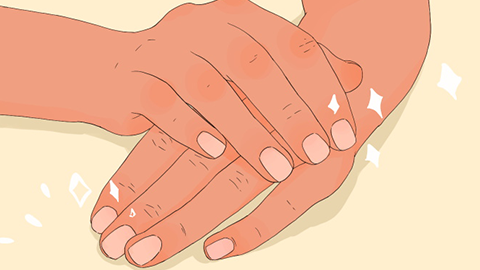
During active disease, patients often experience pain. The underlying soft tissue may become exposed and compressed by the abnormal nail, leading to various discomforts. Moreover, if the surrounding soft tissue sustains injury, bacteria may invade, worsening the onychomycosis and potentially triggering complications such as paronychia or chronic nail fold inflammation. Clinically, the affected nail plate may appear milky white, brown, grayish-brown, or dark brown. As the disease progresses, the nail plate becomes brittle, layers separate (onycholysis), and thickening occurs—resulting in fragmentation, loss of structural integrity, and severe cosmetic impairment.
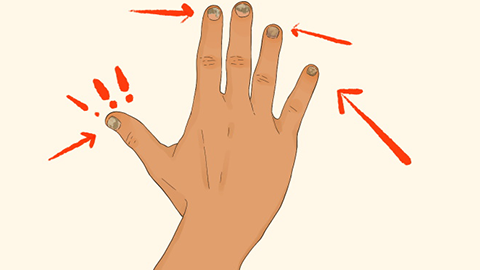
The impact of onychomycosis extends beyond physical discomfort. Social stigma—including discrimination in certain workplaces or communities, and even social isolation by family members—can further burden affected individuals. Consequently, long-term psychological stress is common among patients, underscoring the importance of timely diagnosis and treatment. We hope this information has been helpful. Wishing you good health and happiness!




