


What does it mean if there is blood under the toenail without pain, and what should be done?
Dec 01, 2025
Source: Cainiu Health

Dr. Li Feng
Introduction
In general, painless subungual hematoma (blood under the toenail) may be caused by minor trauma, compression from footwear or socks, nail dystrophy, onychomycosis (fungal nail infection), or Raynaud's disease. Treatment options such as conservative management or medication can be selected based on the specific situation. In daily life, it is important to wear comfortable shoes and socks to avoid pressure or injury to the toes, and to maintain a balanced diet to ensure adequate nutrition.
Generally, the presence of subungual hematoma (blood under the toenail) without pain may be caused by minor trauma, compression from tight footwear, nail dystrophy, onychomycosis (fungal nail infection), or Raynaud's disease. Depending on the specific situation, general management or medication can be used to improve the condition. Detailed analysis is as follows:
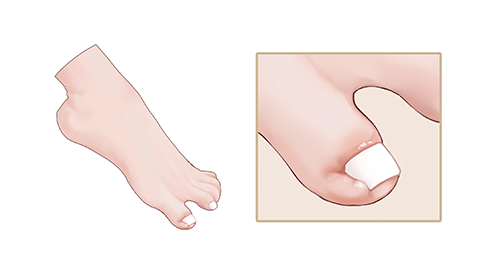
1. Minor Trauma
Daily bumps or light impact injuries to the toe can cause rupture of capillaries beneath the nail, resulting in minor bleeding. If the amount of blood is small, there may be no pain. Wearing loose-fitting shoes and socks to reduce pressure and prevent further injury allows the hematoma to gradually grow out with the nail.
2. Compression from Shoes or Socks
Long-term use of narrow or tight footwear leads to continuous pressure on the toes, causing slow leakage of blood from vessels under the nail, forming a painless hematoma due to the gradual process. Switching to well-fitted, breathable shoes and socks, and soaking feet in warm water every night can help improve local blood circulation.
3. Nail Dystrophy (Poor Nail Nutrition)
Deficiency in nutrients such as vitamin A and calcium weakens nail structure, making subungual capillaries more prone to damage and bleeding. Increase intake of nutrient-rich foods like carrots and milk. Take vitamin A softgel capsules, calcium carbonate D3 tablets, or calcium gluconate tablets as directed by a physician.
4. Onychomycosis (Fungal Nail Infection)
Fungal infection of the nail plate and underlying tissue damages the protective barrier of the nail, leading to minor localized bleeding. Keep feet dry and use antifungal medications such as terbinafine hydrochloride cream, itraconazole capsules, or fluconazole tablets under medical supervision.
5. Raynaud's Disease
Dysfunction of blood vessel nerves causes spasms in small arteries of the toes, leading to temporary blockage of blood flow. When circulation resumes, it may result in subungual hematoma. Maintain warmth of the feet and avoid emotional stress. Medications such as nifedipine sustained-release tablets, reserpine tablets, or tolazoline hydrochloride tablets may be taken as prescribed.
In daily life, choose comfortable shoes and socks to avoid pressure or injury to the toes; maintain a balanced diet for adequate nutrition; change socks regularly and keep feet clean and dry. If the hematoma expands or pain develops, seek medical attention promptly for accurate diagnosis and treatment.



