


Distinguishing Between Neurological Disorders and Depression
Aug 03, 2022
Source: Cainiu Health

Dr. He Haochen
Introduction
Patients with major depressive disorder may also exhibit some psychotic symptoms, and in some cases, the condition may be interpreted as a psychotic disorder. However, most patients with depression do not have severe (psychotic) features—such as hallucinations, delusions, or other psychotic symptoms. Instead, they remain oriented and maintain some degree of contact with reality, distinguishing their condition from more severe psychiatric disorders.
“Neuropathy” is a somewhat ironic term; however, within the medical community, it indeed refers to a genuine—and often serious—disease. When patients develop peripheral neuropathy, they suffer significant physical and psychological harm, sometimes even developing feelings of inferiority. Therefore, individuals with peripheral neuropathy should actively pursue treatment to recover as soon as possible. So, what are the differences between neuropathy and depression?
Differences Between Neuropathy and Depression
Patients with major depressive disorder may occasionally exhibit certain psychiatric symptoms and, in some cases, their condition may be interpreted as a psychiatric illness. Nevertheless, most individuals with depression do not experience severe manifestations—such as hallucinations or delusions—and lack other psychotic symptoms. Instead, they remain largely intact in terms of self-awareness and reality testing, maintaining at least some connection with the real world. In contrast, during a psychotic episode, the content of the patient’s speech and behavior typically bears little relation to reality.
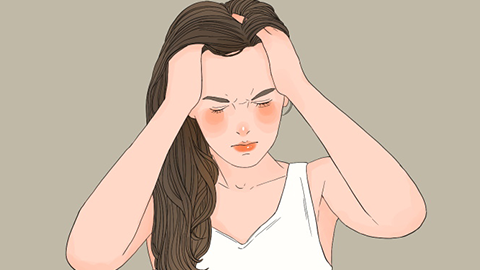
From a professional standpoint, depression is the name of a distinct diagnostic category—a discrete disease entity—characterized primarily by persistent low mood and is relatively common. “Psychosis,” on the other hand, is not a specific disease or single mental disorder in clinical terminology. Rather, it encompasses more severe conditions such as schizophrenia or delusional disorder. Diseases accompanied by psychotic symptoms are generally classified under the broader umbrella of “psychotic disorders”; colloquially speaking, psychosis refers to comparatively severe mental illnesses.

Patients are advised to maintain a positive mood and engage in appropriate physical activity. We hope this response has been helpful to you.



