


What does generalized depression mean?
Nov 24, 2025
Source: Cainiu Health

Dr. Zhang Baohua
Introduction
In general, the generalization of depression refers to a condition in which a patient's symptoms are no longer confined to specific situations or causes, but gradually extend to multiple aspects of life, affecting overall emotional and behavioral states. Daily care should start with small details: maintaining a regular routine, with consistent sleep and wake times, helps stabilize mood. Engaging in mild outdoor activities frequently is also beneficial.
Generally, the generalization of depression refers to a condition in which a patient's symptoms are no longer confined to specific situations or causes, but gradually extend to multiple aspects of life, affecting overall emotional and behavioral states. A detailed analysis is as follows:
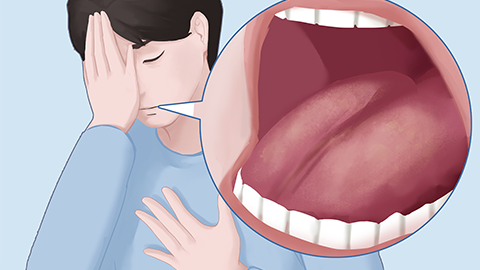
The generalization of depression means that depressive symptoms spread from core emotional issues to affect multiple domains including cognition, behavior, and physical health, with impacts extending across various daily life contexts. In today's high-pressure social environment, emotional exhaustion caused by information overload, along with misunderstandings about mental health issues leading to delayed intervention, may cause initial low mood to progressively worsen. This can trigger a cascade of reactions such as difficulty concentrating, reduced motivation, and sleep disturbances, ultimately resulting in a generalized state of depression.
Daily care should begin with small, consistent efforts: maintaining a regular schedule, with fixed sleep and wake times, helps stabilize emotional baseline. Engaging in gentle outdoor activities—such as morning walks—can soothe both mind and body in natural settings. Openly sharing feelings with trusted individuals helps prevent emotional buildup. Diet should be light and balanced, minimizing intake of stimulating foods. Paying close attention to changes in one’s mental state and seeking professional help promptly when low mood persists are essential practices that provide stable support for emotional recovery.




