What Should Patients with Hypertension and Coronary Heart Disease Eat?
Aug 03, 2022
Source: Cainiu Health

Dr. Li Man
Introduction
Patients with hypertension and coronary heart disease should follow a low-salt, low-fat diet, avoiding greasy and high-sodium foods. They may consume more foods rich in unsaturated fatty acids. High-fiber vegetables—such as celery and garlic—are encouraged. Potassium-rich fruits—including oranges, tangerines, and bananas—should be consumed regularly. Foods containing lycopene, such as tomatoes and tomato-based products, are also recommended.
Although diet alone cannot cure disease, it significantly influences treatment outcomes. Therefore, patients with coronary heart disease (CHD) must also pay close attention to their dietary habits. Incorporating certain foods that support CHD management into daily meals can serve as a valuable adjunct to medical therapy. So, what should individuals with both hypertension and CHD eat?
What Should Patients with Hypertension and Coronary Heart Disease Eat?
Patients with hypertension and CHD should follow a low-sodium, low-fat diet, minimizing intake of greasy and high-sodium foods. Instead, they should emphasize foods rich in unsaturated fatty acids. High-fiber vegetables—such as celery and garlic—are highly recommended. Fruits rich in potassium, including oranges, tangerines, and bananas, should be consumed regularly. Foods containing lycopene—such as tomatoes, tomato-based products, pomegranates, pink grapefruit, and watermelon—are also beneficial. Additionally, increasing intake of vitamin C, vitamin B complex, L-arginine, and taurine is advised. Cold-water fish—such as cod and tuna—should be included frequently in the diet, and calcium supplementation may be appropriate.

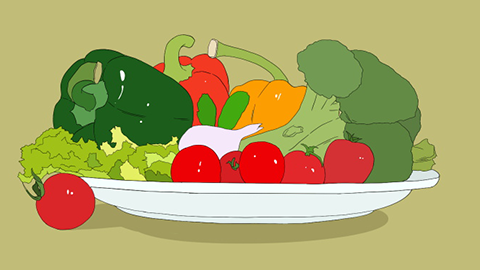
Commonly available vegetables—including cabbage, napa cabbage, amaranth, carrots, daikon radish, and potatoes—are all suitable for patients with hypertension and CHD. Patients should also be encouraged to consume fresh fruits, which are rich in potassium and trace elements that help prevent and lower blood pressure and reduce arterial stiffness—examples include apples, pears, bananas, oranges, and pineapples.
Patients are advised to cultivate healthy lifestyle habits, maintain a balanced diet, and avoid spicy or irritating foods. We hope this information proves helpful.