Self-Treatment Methods for Shoulder Periarthritis
Aug 05, 2022
Source: Cainiu Health

Dr. Lin Yunfei
Introduction
Self-management methods for adhesive capsulitis (frozen shoulder) include keeping the shoulder warm, applying heat therapy, and taking medications. Even simple activities such as combing one’s hair—or alternately performing combing-like motions with both hands—can aid recovery. Another helpful exercise is the “pulley stretch”: at a community fitness area—or by securing a rope to a tree—grasp each end of the rope with one hand and gently pull in opposite directions. This exercise also promotes shoulder joint rehabilitation.
If you are frequently fatigued—especially when your shoulders are under constant stress—you may develop periarthritis of the shoulder (also known as “frozen shoulder”). However, this condition is relatively stubborn and persistent; therefore, patients are advised to seek medical attention promptly upon noticing symptoms. So, what are some self-management strategies for periarthritis of the shoulder?
Self-Management Strategies for Periarthritis of the Shoulder
Self-management approaches for periarthritis of the shoulder include maintaining warmth, applying heat therapy, and using medications. Even simple daily activities—such as combing your hair or alternately performing combing motions with both hands—can aid recovery. Another effective exercise is the “wheel-pulling” technique: at a community fitness area—or by securing a rope to a tree—you can grasp each end of the rope with both hands and perform controlled pulling motions, which help restore shoulder joint mobility.
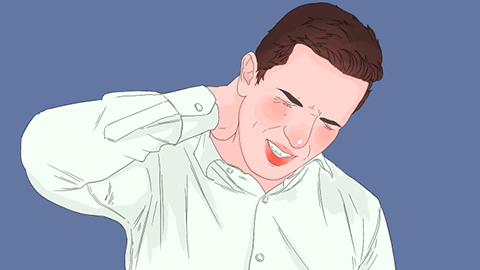
This condition primarily refers to an aseptic inflammation affecting the rotator cuff and the joint capsule surrounding the shoulder. Common triggers include trauma, exposure to cold, or upper respiratory infections. Most cases are self-limiting; during the acute phase, patients typically experience significant pain and restricted range of motion. Engaging in activities such as playing badminton, performing push-ups, or doing gentle stretching—and ensuring adequate intake of calcium and high-quality protein—can enhance overall physical function and help prevent periarthritis of the shoulder.
Patients with insufficient physical activity are advised to regularly strengthen their shoulder muscles to improve resistance against external pathogenic factors—particularly wind, cold, and dampness. We hope this information proves helpful to you.