


What should I do about acne on my face?
Aug 05, 2022
Source: Cainiu Health

Dr. Liu Wan
Introduction
The principle of acne treatment is stratified therapy. Treatment regimens vary according to the severity of acne. If comedones are predominantly closed (whitehead) or open (blackhead) comedones, topical retinoid ointments may be used, or chemical peels containing alpha-hydroxy acids (AHAs) or salicylic acid may be applied. If there are numerous inflammatory papules or pustules, oral anti-inflammatory antibiotics—such as minocycline—may be added. In cases of large abscesses or nodules, more aggressive interventions may be required.
Many individuals begin developing acne on their face unnoticed after entering puberty. Smooth, fine skin can become bumpy and rough due to acne breakouts, significantly affecting one’s personal appearance. So, what should be done about facial acne?
How to Manage Facial Acne
The principle of acne treatment is stepwise, severity-based therapy. Treatment plans vary depending on the severity of acne. If comedones—primarily whiteheads and blackheads—are the main concern, topical retinoid ointments may be used; alternatively, chemical peels containing alpha-hydroxy acids (AHAs) or salicylic acid may be applied. For cases with numerous inflammatory papules or pustules, oral anti-inflammatory antibiotics such as minocycline may be added. In severe cases involving large abscesses or nodules, along with excessive sebum production, systemic retinoids—such as isotretinoin—are indicated.
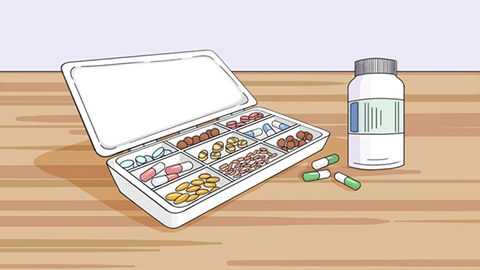
Recently, frequent acne breakouts have occurred on the face. Under a physician’s guidance, topical treatments such as clindamycin gel, tretinoin cream, or salicylic acid may be used—or traditional Chinese herbal medicines that promote blood circulation, resolve stasis, clear heat, and detoxify. Additionally, use a mild alkaline or neutral facial cleanser twice daily; avoid over-washing, and maintain gentle yet consistent facial hygiene. Pay attention to diet: avoid spicy foods—including pepper, chili, garlic—as well as hotpot, barbecued dishes, and fried foods. Instead, consume more fresh fruits and vegetables to supplement vitamins, reduce sebum secretion, and support healthy skin metabolism. Also, manage stress levels and avoid staying up late, both of which help regulate endocrine function.
Avoid smoking and alcohol consumption; maintain regular sleep patterns and refrain from late-night activities. Ensure a balanced diet incorporating both lean proteins and vegetables for optimal nutrition, and engage regularly in outdoor physical activity. We hope this information proves helpful to you.



