


Is hypertension a chronic disease?
Aug 06, 2022
Source: Cainiu Health

Dr. Li Man
Introduction
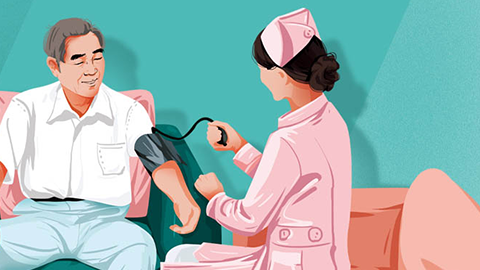
At the initial visit for hypertension, it is essential to determine whether the condition is primary (essential) hypertension or secondary hypertension caused by other diseases—such as renal hypertension, pheochromocytoma, or drug-induced hypertension. Blood pressure should be measured after the patient has rested quietly for 5 minutes, and potential confounding factors that may cause blood pressure fluctuations—including irregular lifestyle, mental stress, physical exercise, emotional excitement, environmental influences, and thermal stimuli (e.g., cold or heat)—should be excluded.
Some illnesses develop acutely and rapidly, while others progress more insidiously. Is hypertension a chronic disease?
Is Hypertension a Chronic Disease?
Hypertension is indeed a chronic condition requiring long-term oral antihypertensive medication. At the initial diagnosis, it is essential to determine whether the hypertension is primary (essential) or secondary—caused by other underlying conditions such as renal hypertension, pheochromocytoma, or drug-induced hypertension. Blood pressure should be measured after the patient has rested quietly for at least five minutes, and transient elevations due to irregular lifestyle, mental stress, recent physical activity, emotional excitement, environmental factors, or thermal stimuli (e.g., cold or heat exposure) must be ruled out.
Most patients with early-stage hypertension are asymptomatic. Elevated blood pressure may be detected incidentally during routine physical examinations. Some individuals experience symptoms only under specific circumstances—for instance, those who are chronically stressed or emotionally aroused may report headaches or dizziness; others may notice dizziness or tinnitus, particularly after fatigue. If blood pressure remains uncontrolled over time, end-organ damage may occur, leading to more pronounced symptoms. Cerebrovascular manifestations are the most common. Marked increases in blood pressure—often triggered by excessive fatigue or changes in weather—may cause severe headache, visual disturbances, nausea, vomiting, and even seizures.
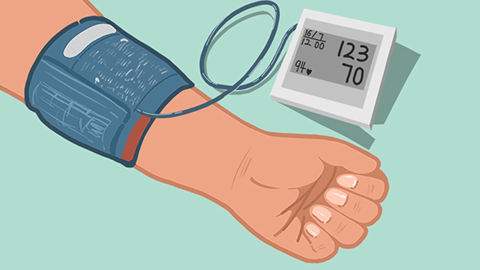
In cases of intracerebral hemorrhage, patients may present with coma, transient hemiparesis, or aphasia. These symptoms become increasingly evident as the condition worsens; severe cases may also involve chest tightness and dyspnea. When hypertension affects the kidneys, nocturia may increase significantly, and microscopic hematuria and proteinuria may be detected in urinalysis. We hope this information proves helpful to you!






