How to Maintain Heart Health in Daily Life
Aug 06, 2022
Source: Cainiu Health

Dr. Li Man
Introduction
Patients with heart disease need to enhance daily self-care and avoid overweight. Appropriate aerobic exercise can be performed to improve cardiac function and increase exercise tolerance. Moderate physical activity is recommended, while intense exercise should be avoided to prevent triggering cardiovascular events. Patients should also avoid staying up late and mental stress, ensure adequate sleep, and prevent autonomic nervous system dysfunction.
Our heart is the primary organ responsible for sustaining life; any cardiac disorder can potentially lead to death, making it essential to pay close attention to various types of heart disease. So how should individuals with heart disease maintain their health in daily life?
Daily Care for Heart Disease Patients
Patients with heart disease must prioritize routine self-care and avoid becoming overweight. Engaging in appropriate aerobic exercise can enhance cardiac function and improve exercise tolerance. Moderate physical activity is encouraged, while intense or strenuous exercise should be avoided to prevent triggering cardiovascular events. Patients should also refrain from staying up late and minimize mental stress to ensure adequate, restorative sleep and prevent autonomic nervous system dysfunction. It is crucial to control abnormally elevated blood pressure, blood glucose, and lipid levels. Regarding diet, patients should consume low-fat, low-salt, and low-cholesterol foods and increase their intake of diverse vitamins and minerals. Regular monitoring of cardiac, hepatic, and renal function is recommended, and medications should be taken consistently as prescribed by a physician.

Cardiac maintenance should begin with lifestyle modifications: maintaining emotional calmness—avoiding extremes of elation or sorrow—adhering to a regular daily routine, and refraining from late-night activities, as sleep deprivation may induce sympathetic overactivity and contribute to cardiac complications. Ensuring high-quality sleep and alleviating life stress are equally important. Stress-reduction techniques such as Tai Chi and meditation can help mitigate stress across multiple domains. In terms of diet, patients should avoid excessively salty or fatty foods—for example, egg yolks, animal offal, squid, and hairtail fish should be consumed sparingly. Blood pressure, blood glucose, and lipid levels must be carefully controlled.
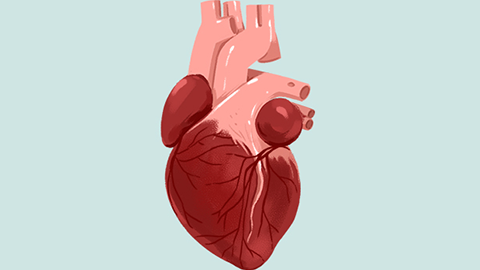
Patients are advised to strengthen physical activity, cultivate healthy daily habits, maintain a balanced diet, and avoid spicy or irritating foods. We hope this information proves helpful to you.