


Acne Treatment
Aug 08, 2022
Source: Cainiu Health

Dr. Liu Wan
Introduction
Acne can be treated with topical medications, oral medications, and other therapies. After daily facial cleansing, acne patients should apply retinoid ointment—such as tazarotene gel, adapalene gel, or tretinoin cream—to affected areas; these agents have demonstrated significant efficacy. If the acne exhibits signs of infection, sulfur-based cleansers should first be used for washing, followed by treatment with clindamycin ointment and erythromycin ointment.
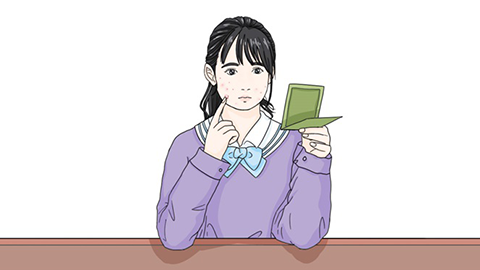
One of the most common issues among adolescents is acne development. If only a few mild, red pimples appear, they typically cause no significant adverse effects. However, if the condition worsens and progresses to clinical acne, timely and targeted intervention is essential.
Acne Treatment in Adolescents
Adolescent acne can be managed through topical medications, oral medications, or a combination of both. After daily facial cleansing, patients should apply tretinoin ointment directly to affected areas. Other highly effective topical agents include tazarotene gel, adapalene gel, and tretinoin cream. When signs of infection are present—such as increased redness, swelling, or pus—patients should first cleanse the area with a sulfur-based cleanser, followed by application of clindamycin ointment or erythromycin ointment. In addition, systemic (oral) therapy is often required for comprehensive management. Short-term, low-dose oral tetracyclines or macrolide antibiotics may be prescribed, and corticosteroids may be considered on a case-by-case basis.
For severe acne, physical therapies may be recommended. Photodynamic therapy (PDT) or glycolic acid skin rejuvenation are effective options; carbon dioxide (CO₂) laser treatment is also available. These modalities gently stimulate the affected skin, promoting acne resolution and wound healing while enhancing skin clarity and smoothness.

In daily life, maintaining a balanced diet is crucial: avoid spicy, irritating, or overly rich foods, refrain from binge eating, and ensure adequate sleep—avoiding late-night hours whenever possible. We hope this information proves helpful.




