


How to Treat Acne During Puberty
Aug 08, 2022
Source: Cainiu Health

Dr. Liu Wan
Introduction
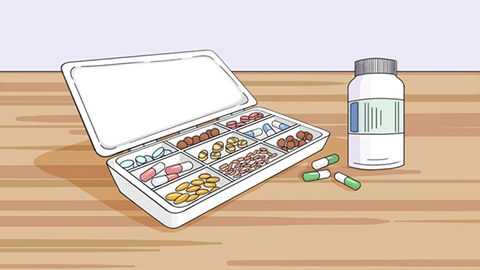
Acne during adolescence can be treated through Western medical approaches, such as avoiding friction and other irritants. Individuals with acne may take oral antibiotics—preferably those possessing both antibacterial and anti-inflammatory properties, such as tetracycline—to help clear acne lesions. However, prolonged antibiotic use is not recommended, as it may increase the burden on the liver and kidneys; these medications are contraindicated in pregnancy. Importantly, all such antibiotics are prescription-only drugs.
Generally, individuals with excessive internal heat and toxicity—often resulting from chronic sleep deprivation and frequent consumption of spicy foods—are prone to irritability and acne outbreaks. Acne may also develop in people with poor digestive function or unbalanced diets, and it can significantly affect one’s appearance. So, how is adolescent acne treated?
How to Treat Adolescent Acne
Adolescent acne can be managed through Western medical approaches and by avoiding mechanical irritation (e.g., friction). Individuals with acne may take oral antibiotics—preferably those possessing both antibacterial and anti-inflammatory properties, such as tetracycline—to help clear lesions. However, prolonged antibiotic use is discouraged, as it may increase the burden on the liver and kidneys; these medications are strictly contraindicated during pregnancy. As prescription drugs, antibiotics must only be taken after consultation with a physician. After acne develops, it is crucial to avoid skin friction. For instance, face masks directly rub against acne lesions, potentially introducing contaminants and triggering inflammation. To prevent secondary infection, minimizing physical irritation to affected skin areas is essential.
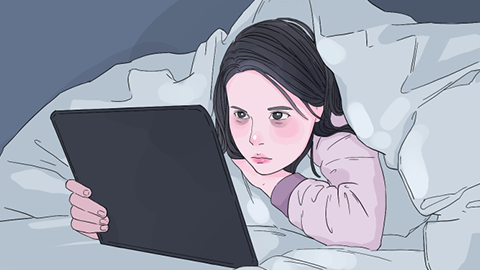
Acne can be prevented through consistent daily routines. Many people habitually stay up late, often with irregular sleep schedules—a major contributor to acne development. Sleep deprivation disrupts normal metabolic processes and impairs hepatic detoxification, leading to endocrine imbalances that exacerbate acne. Therefore, maintaining regular sleep–wake cycles is vital.
Patients are advised to drink ample water and limit intake of high-fat foods. It is also recommended to abstain from smoking, alcohol, and spicy foods; minimize cosmetic use; and cleanse the face with warm (not hot) water. We hope this information proves helpful.



