


What Causes Androgenetic Alopecia?
Aug 09, 2022
Source: Cainiu Health

Dr. Liu Wan
Introduction
Androgenetic alopecia (AGA) is caused by multiple factors. It is a polygenic, androgen-dependent, autosomal dominant disorder with variable expression. Elevated androgen levels in males constitute the primary cause of hair loss. Psychological factors—such as mental stress, sleep deprivation, and emotional stimuli—as well as excessive consumption of fried foods, high-fat foods, and high-sugar foods may also contribute to androgen-related hair loss in men.
After experiencing hair loss, you visited a hospital and were diagnosed by a physician with androgenetic alopecia. What causes androgenetic alopecia?
What Causes Androgenetic Alopecia?
Androgenetic alopecia results from multiple contributing factors. It is a polygenic, androgen-dependent, autosomal dominant disorder with variable expression. Elevated levels of androgens in males constitute the primary cause of hair loss. Psychological factors—including mental stress, sleep deprivation, and emotional trauma—can also contribute. Additionally, excessive consumption of fried foods, high-fat, and high-sugar diets may exacerbate androgenetic alopecia.
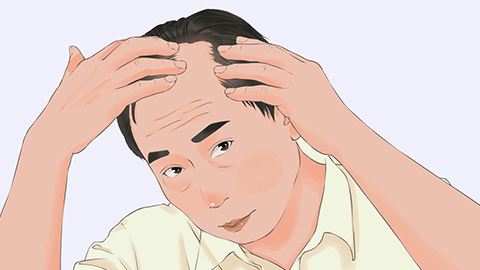
Patients with androgenetic alopecia typically present with fine, soft hair and seborrheic dermatitis. Excessive sebum production on the scalp leads to increased dandruff, oiliness, and pruritus. In cases driven by androgens, the entire scalp may become erythematous and develop yellowish crusts. As dandruff accumulates, the scalp gradually becomes itchy, hair loses pigment (appearing dull or grayish), and shedding intensifies.

Androgenetic alopecia is also influenced by dietary habits, occupational stress, and lifestyle factors such as irregular sleep patterns. Frequent intake of meats, fish, and coarse grains may promote excessive sebum secretion, thereby increasing scalp oiliness and impairing nutrient absorption by hair follicles. Moreover, oleic acid and linoleic acid present in sebum exert toxic effects on hair follicles, potentially causing follicular damage, miniaturization, and eventual hair loss—or accelerating its progression. We hope this information proves helpful!




