


Can androgenetic alopecia be cured?
Aug 09, 2022
Source: Cainiu Health

Dr. Liu Wan
Introduction
Androgenetic alopecia is difficult to cure completely; however, early and standardized treatment can yield satisfactory therapeutic outcomes. Also known as seborrheic alopecia, it is a common form of hair loss that typically begins in young adulthood. It often has a genetic component and familial predisposition, and is strongly associated with progressive thinning and loss of hair at the frontal hairline and vertex, as well as abnormalities in androgen metabolism.
I suffer from androgenetic alopecia and have visited numerous hospitals for treatment, yet the results have been minimal—and my hair loss has actually worsened. I am seeking an effective treatment approach. So, can androgenetic alopecia be cured?
Can androgenetic alopecia be cured?
Androgenetic alopecia is difficult to cure completely; however, early, standardized treatment can yield satisfactory outcomes. Also known as seborrheic alopecia, it is a common form of hair loss typically beginning in young adulthood. It often exhibits a genetic or familial predisposition and is closely associated with progressive thinning and shedding of hair at the frontal hairline and vertex, as well as abnormalities in androgen metabolism.
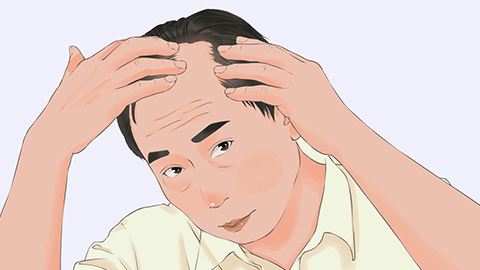
Additionally, topical medications that improve scalp blood circulation and stimulate hair growth may also be beneficial in treating androgenetic alopecia. However, if diagnosis occurs late—when extensive hair loss has already occurred at the vertex and follicles have undergone significant miniaturization—the condition becomes much more difficult to reverse. Since follicular miniaturization is largely irreversible, hair transplantation or wearing wigs may be the only viable options for restoration at this stage.

Adopting a balanced diet and appropriately supplementing essential vitamins can help prevent hair loss. Moreover, protein deficiency is one of the primary contributing factors to hair loss. Patients with hair loss should avoid using nylon combs and brushes, as these generate static electricity and may irritate both the scalp and hair. We hope this information proves helpful to you!



