


How to Identify Onychomycosis
Aug 10, 2022
Source: Cainiu Health

Dr. Liu Wan
Introduction
Diagnosing onychomycosis (gray nail) involves observing whether the nail exhibits layering or separation. Gray nails cause nail plate separation due to fungal invasion. Specifically, as keratin dries and becomes brittle, dermatophytes invade the nail plate, leading to detachment of the nail plate from the underlying nail bed and separation of the superficial adhesive layer between the nail plate and the nail matrix—ultimately resulting in nail plate delamination. Additionally, nail plate thickening occurs as excessive keratin accumulates beneath the nail plate, causing the distal edge of the nail plate to gradually lift and thicken.
Many people experience onychomycosis (commonly known as “gray nail”) in daily life, which can negatively affect one’s appearance. So how can you identify onychomycosis?
How to Identify Onychomycosis
One key indicator of onychomycosis is nail layering or separation. Gray nails often cause the nail plate to split into layers. This occurs because fungal infection invades the nail plate after the keratinized tissue becomes dry and brittle. As a result, the nail plate detaches from the underlying nail bed, and the superficial layer binding the nail to the fingertip separates—ultimately leading to nail layering. In cases of onychomycosis, excessive keratin accumulates beneath the nail plate; when the plate is damaged, its surface becomes markedly rough and uneven, often exhibiting bumps and depressions.
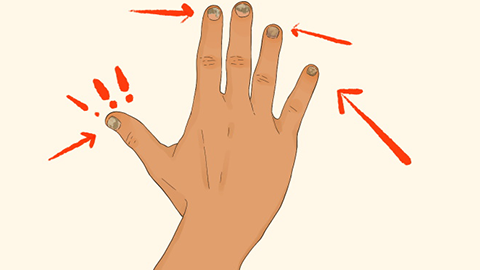
Nail discoloration is another hallmark sign. In early-stage onychomycosis, small white or yellowish patches appear on the nail plate. These patches may spread across the nail surface. As the condition progresses, the nail gradually loses its natural luster and may darken and thicken. Without timely treatment, the nail bed may become cloudy. In severe cases, the entire nail plate may detach completely, rendering the nail nonfunctional; only the residual nail root remains, with no visible nail.
Onychomycosis is highly contagious; therefore, appropriate preventive measures should be taken in daily life. Once early signs are detected, prompt, scientifically validated treatment should be initiated to prevent further infection and safeguard nail health. We hope this article has been helpful to you. Wishing you a joyful life and good health!





