


Can brisk walking cause synovitis?
Aug 11, 2022
Source: Cainiu Health

Dr. Lin Yunfei
Introduction
Excessive walking can cause synovitis. In general, intense walking may lead to knee synovitis; in severe cases, it may also result in hip synovitis. “Excessive walking” typically refers to walking at a faster pace and for longer distances. Under such conditions, the joint synovium undergoes repeated compression and friction. Prolonged exposure can cause local hyperemia, edema, sterile inflammation, and the production of prostaglandin factors.
Synovitis is a specific manifestation of synovial tissue inflammation caused by various conditions, including trauma, osteophyte formation, degenerative joint disease, and rheumatic disorders. These conditions subject the synovium to mechanical, biological, and chemical stimuli, resulting in synovial hyperemia, edema, increased vascular permeability, excessive synovial fluid secretion, and reduced absorption. So, can power walking trigger synovitis?
Can Power Walking Cause Synovitis?
Yes, power walking can cause synovitis—typically knee synovitis. In severe cases, it may also lead to hip synovitis. “Power walking” generally refers to walking at a faster pace and over longer distances. Under these conditions, the joint synovium undergoes repeated compression and friction. Prolonged exposure leads to localized hyperemia and edema, sterile inflammation, and the production of inflammatory mediators such as prostaglandins and tumor necrosis factor (TNF). These substances stimulate surrounding nerves, causing localized pain. They also provoke adjacent tissues, resulting in exudation of inflammatory fluid and mild local swelling.
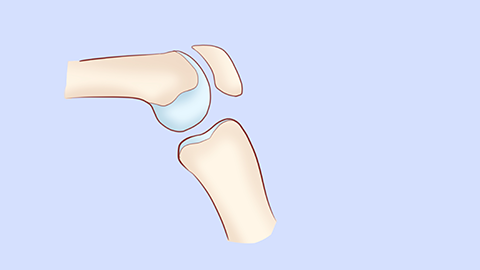
In more severe cases, local skin temperature may also rise. Chronic synovitis often develops after prolonged, intense walking; moreover, vigorous walking can precipitate an acute exacerbation of pre-existing chronic synovitis, manifesting as severe pain and pronounced swelling.
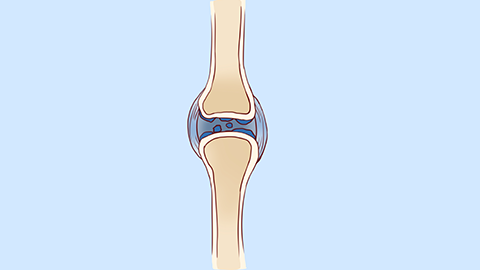
In daily life, patients should maintain a positive mindset, actively cooperate with their physicians’ treatment plans, take prescribed medications on time and in correct dosages, and pay attention to routine self-care—thus facilitating prompt improvement of symptoms. We hope this response has been helpful to you.






