


Can rheumatoid arthritis resolve spontaneously?
Aug 11, 2022
Source: Cainiu Health

Dr. Lin Yunfei
Introduction
Rheumatic arthritis cannot resolve spontaneously. Spontaneous resolution refers to complete recovery without any pharmacological or physical therapy. Rheumatic arthritis may affect large joints and is characterized by migratory pain, elevated erythrocyte sedimentation rate (ESR), increased C-reactive protein (CRP), as well as joint redness, swelling, warmth, and pain—particularly in the knees. Rheumatic nodules may also occur.
Rheumatic arthritis is one of the most prevalent forms of arthritis today, commonly occurring during the rainy seasons of winter and spring. Damp, cold environments are the primary triggers; the disease can affect individuals of any age and may cause a variety of symptoms upon onset. However, since most people lack a thorough understanding of this condition—and are unfamiliar with its characteristic features—a common question arises: Can rheumatic arthritis resolve spontaneously?
Can Rheumatic Arthritis Resolve Spontaneously?
Rheumatic arthritis cannot resolve spontaneously. “Spontaneous resolution” refers to complete recovery without any pharmacological or physical interventions. Rheumatic arthritis often affects large joints and manifests as migratory pain. Laboratory findings typically include elevated erythrocyte sedimentation rate (ESR) and C-reactive protein (CRP) levels. Clinically, affected joints—especially the knees—may appear red, swollen, warm, and painful. Rheumatic nodules may also develop, potentially leading to systemic complications involving organs such as the heart and kidneys.
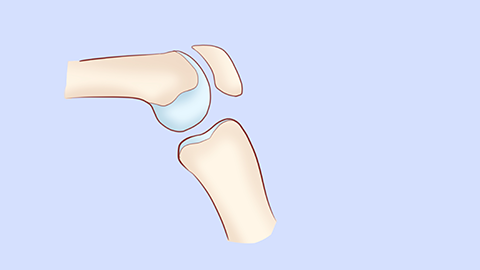
During the acute phase of the disease, patients should observe strict bed rest and minimize physical activity. If cardiac involvement is present, bed rest may be required for approximately three to six months. Adequate nutritional support and enhanced supportive care are also essential. Additionally, patients should maintain emotional well-being, stay cheerful, avoid psychological stress, ensure proper warmth, and prevent exposure to cold. They should also avoid crowded places to reduce the risk of cross-infection. Furthermore, adherence to prescribed medication regimens is crucial.

In daily life, patients should follow a disciplined diet—avoiding spicy, irritating, or overly rich foods, refraining from binge eating, and ensuring regular sleep patterns without staying up late. We hope this information proves helpful.






