


How is eczema treated?
Aug 11, 2022
Source: Cainiu Health

Dr. Liu Wan
Introduction
Patients with eczema are primarily treated with potassium permanganate solution for irrigation and wet compresses, as well as topical ointments such as tacrolimus ointment. Additionally, antihistamines and glucocorticoids may be used in combination. Furthermore, patients may take individualized traditional Chinese medicine (TCM) prescriptions based on their symptoms—commonly decoctions such as Huang Lian Jie Du Tang (Coptis Decoction for Heat-Clearing and Toxin-Resolving), Wu Wei Xiao Du Yin (Five-Ingredient Decoction for Toxin-Resolving), and Si Wu Tang (Four-Ingredient Decoction). Eczema is an inflammatory skin disorder characterized by polymorphic skin lesions.
Eczema is a skin disorder and a common type of dermatitis. Numerous treatment options are available for this condition. When patients develop eczema, they should actively seek appropriate medical care and avoid self-medicating with drugs indiscriminately, as this may worsen their condition. So, how is eczema treated?
How Is Eczema Treated?
Patients with eczema are primarily treated with potassium permanganate solution rinses and wet compresses, along with topical ointments such as tacrolimus ointment. In addition, antihistamines and corticosteroids may be used in combination. Furthermore, patients may take traditional Chinese herbal prescriptions tailored to their specific symptoms—commonly prescribed formulas include Huanglian Jiedu Tang (Coptis Decoction for Detoxification), Wuwei Xiaodu Yin (Five-Ingredient Decoction for Toxin Resolution), and Siwu Tang (Four-Ingredient Decoction).Eczema is an inflammatory skin disease characterized by polymorphic skin lesions, a tendency to spread, and complex etiology involving both internal and external factors. Its causes are multifaceted, it tends to recur, and it may persist for years. The hallmark symptom is intense pruritus (itching).
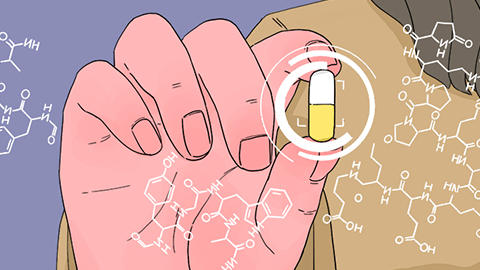
Moreover, identifying the underlying cause—or triggers that exacerbate the condition—is the most critical aspect of managing eczema. Potential contributing factors include occupational environment, daily habits, psychological stress, and emotional state. If feasible, allergen testing—such as skin prick tests or patch tests—and measurement of serum-specific IgE antibodies can help identify suspected allergens.
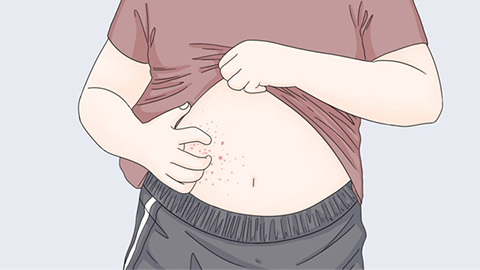
Patients are advised to proactively adopt effective therapeutic measures and pay closer attention to dietary hygiene to avoid unnecessary complications. We hope this information proves helpful to you.






