Pathogenesis of Renal Hypertension
Aug 22, 2022
Source: Cainiu Health

Dr. Li Man
Introduction
The pathogenesis of renal hypertension may involve increased renin secretion. Renal parenchymal disease and renal artery stenosis can lead to elevated renin secretion, thereby increasing angiotensin production and causing systemic vasoconstriction, ultimately resulting in elevated blood pressure. Additionally, reduced intrarenal antihypertensive substances—including prostaglandins, kallikrein, and the kinin system—as well as alterations in the absolute and relative levels of these substances, play critical roles in the regulation of two major vascular systems affected in kidney disease.
There are many causes of hypertension, including overweight, obesity, mental stress, frequent smoking and alcohol consumption, and chronic sleep deprivation. To prevent the onset of hypertension, individuals should regularly engage in physical exercise, maintain a healthy weight, and promote cardiovascular function. Additionally, they should consume light, low-sodium foods and maintain a positive, relaxed mood. But what is the pathogenesis of renal hypertension?
Pathogenesis of Renal Hypertension
The pathogenesis of renal hypertension may involve increased renin secretion. Renal parenchymal disease and renal artery stenosis can stimulate excessive renin release, leading to elevated angiotensin levels and systemic vasoconstriction—ultimately resulting in elevated blood pressure. Other contributing factors include decreased intrarenal antihypertensive substances, imbalances in the prostaglandin system and kallikrein-kinin system, and dysregulation of the sympathetic nervous system—all commonly observed in kidney disease. Furthermore, sodium and water retention, reduced glomerular filtration rate (GFR), and increased renin secretion collectively promote aldosterone overproduction, further exacerbating sodium and water retention.
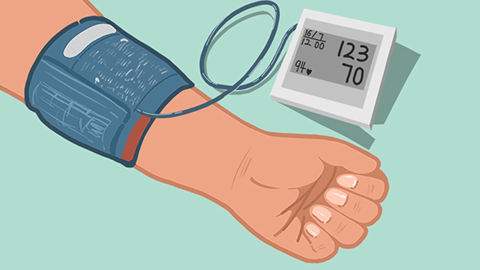
Renal hypertension refers to hypertension caused by renal parenchymal disease or renal vascular disease. It is a form of secondary hypertension—and the most common type among all secondary hypertensions. When renal parenchymal or renal vascular disease occurs, it often leads to a sustained reduction in renal blood flow perfusion, resulting in renal ischemia and hypoxia.

In daily life, patients should maintain an optimistic mindset, actively cooperate with their physicians during treatment, take prescribed medications consistently and as directed, and pay close attention to routine self-care—so that clinical improvement can be achieved as soon as possible. We hope this response has been helpful to you.