


How to Stop Snoring
Aug 24, 2022
Source: Cainiu Health

Dr. Xu Gang
Introduction
Snoring can be prevented by adjusting sleeping posture or removing nasal polyps. Snoring during sleep may result from poor sleeping posture or an enlarged uvula, both of which interfere with upper airway patency during nighttime breathing. Therefore, snoring occurs. Adjusting pillow height and adopting a lateral (side-lying) sleeping position may help. If snoring persists despite these measures, an enlarged uvula should be considered as a potential cause.
Many people snore while sleeping, which can be extremely difficult for their sleeping partners to tolerate, as snoring genuinely disrupts others’ sleep. Most individuals are unsure how to stop snoring—clearly, there is widespread interest in this issue. Let’s explore effective ways to prevent snoring and learn how you can stop snoring yourself.
How to Stop Snoring
Snoring can be reduced or prevented through adjustments to sleep posture or medical interventions such as removal of nasal polyps. Snoring often results from suboptimal sleeping positions or an enlarged uvula, both of which impede airflow through the upper airway during sleep. To address this, try adjusting pillow height and adopting a side-sleeping position. If snoring persists, consider whether an enlarged uvula may be contributing; in such cases, weight loss may be beneficial. Losing weight can lead to a reduction in uvular size, thereby improving airflow and reducing snoring.
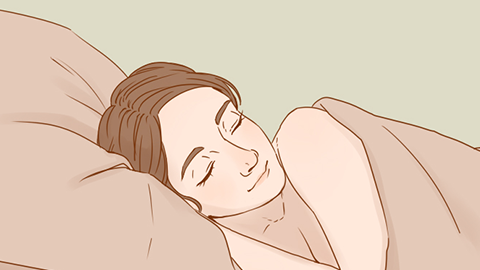
Chronic fatigue is another common cause of snoring. Therefore, maintaining a healthy balance between work and rest in daily life is essential. Avoid prolonged physical overexertion and frequent late-night activity, as these habits can severely compromise your health and potentially contribute to disease onset or progression. Also, avoid using excessively high pillows—elevated pillow height can promote snoring. To alleviate snoring, opt for low- or medium-height pillows; high pillows should be avoided entirely.
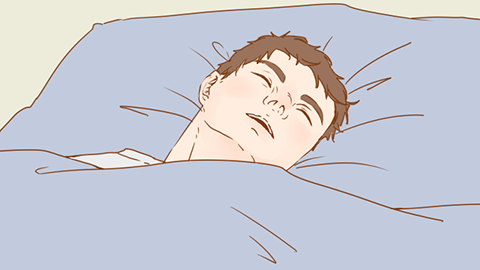
In daily life, it’s also important to ensure adequate nutritional intake. Proper growth and bodily function depend on a balanced supply of essential nutrients. Maintaining good health helps prevent the development and progression of diseases. We hope this information proves helpful to you.




