


How to Sleep Without Snoring
Aug 11, 2022
Source: Cainiu Health

Dr. Guo Xiheng
Introduction
To avoid snoring while sleeping, first avoid using a high pillow, as it narrows the airway; instead, opt for a low pillow. Also, avoid sleeping in the supine position (on your back), as the airway becomes more relaxed in this posture, increasing the likelihood of tongue base retraction and subsequent snoring. Sleeping on your side is recommended, as it helps prevent snoring.
Today, both life and work pressures are increasing, so virtually no young person avoids staying up late. However, chronic sleep deprivation inflicts significant harm on the body, progressively weakening immune function and resistance—thereby increasing susceptibility to various diseases. So, how can one sleep without snoring?
How to Sleep Without Snoring
To prevent snoring during sleep, begin by avoiding high pillows; elevated pillows narrow the upper airway. Instead, opt for low-profile pillows. Also avoid sleeping supine (on your back), as this position relaxes the airway muscles and may cause the base of the tongue to fall backward—increasing the likelihood of snoring. Sleeping on your side is recommended, as it helps maintain airway patency and reduces snoring. Additionally, individuals who are overweight or obese should consider weight loss. If snoring is severe—accompanied by episodes of apnea (breathing pauses), frequent awakenings due to breath-holding, poor sleep quality, nightmares, daytime fatigue, excessive sleepiness, or impaired alertness—professional medical evaluation is advised.
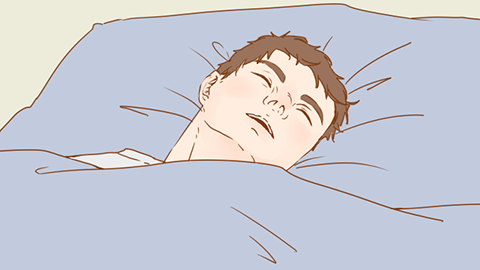
When staying up late, consume foods that support liver health—such as soybeans, milk, and sesame seeds—and increase intake of fresh vegetables and fruits. Moderately incorporating nuts into your diet also benefits overall health. Prolonged sleep deprivation often manifests visibly in poor physical appearance. Supplementing with ejiao (donkey-hide gelatin) and consuming more jujubes (Chinese dates) may be helpful. Yogurt aids gastrointestinal regulation; chronic sleep deprivation significantly increases the risk of digestive disorders. Avoid overeating, binge eating, or consuming fried foods, which can irritate or damage the gastrointestinal tract. Given its adverse health effects, staying up late should be minimized whenever possible.
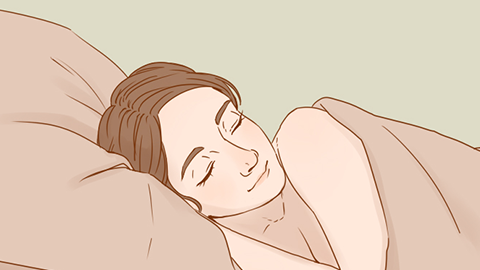
In daily life, cultivate healthy lifestyle and dietary habits, and maintain a light, balanced diet. We hope this information proves helpful to you.




