What Causes Frequent Nosebleeds in the Elderly?
Aug 24, 2022
Source: Cainiu Health

Dr. Xu Gang
Introduction
Frequent nosebleeds (epistaxis) have several common causes:
1. Thin nasal mucosa with superficial, fragile small blood vessels that are prone to bleeding. For example, dry climate or poor dietary habits—such as insufficient water intake, inadequate consumption of vegetables and fruits, or frequent intake of spicy or irritating foods—can exacerbate epistaxis.
2. Hypertension or the use of oral anticoagulants can also lead to recurrent nosebleeds.
3. Atrophic rhinitis.
Nosebleeds may sometimes signal underlying serious medical conditions—this warrants attention. Frequent nosebleeds should prompt a visit to the hospital for evaluation; do not wait until the condition worsens and regret delaying care. So, what causes recurrent nosebleeds?
What Causes Recurrent Nosebleeds?
There are several common causes of frequent nosebleeds:
1. Thin nasal mucosa with superficial, fragile blood vessels predisposes individuals to bleeding. For instance, dry climates or poor dietary habits—such as insufficient water intake, low consumption of fruits and vegetables, or excessive intake of spicy or irritating foods—can exacerbate epistaxis.
2. Hypertension or use of oral anticoagulants may also lead to recurrent nosebleeds.
3. Patients with atrophic rhinitis often experience nasal dryness, crusting, and epistaxis.
4. Individuals with hematologic disorders—particularly those involving coagulation dysfunction—may suffer from frequent nosebleeds.
5. Sinus or nasopharyngeal tumors may also present with epistaxis.

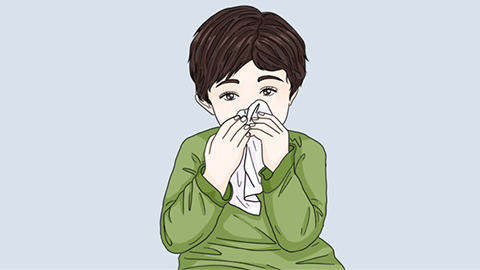
After a nosebleed occurs, gently pinch the soft part of the nose (just below the bony bridge) with both hands and hold for several minutes. You will typically observe hemostasis within one to two minutes. Additionally, applying a cold, damp towel to the forehead may help control bleeding.
Therefore, recurrent nosebleeds warrant timely medical evaluation to identify the underlying cause—including inflammatory, vascular, neoplastic, or systemic etiologies—and initiate appropriate treatment. We hope this information is helpful. Wishing you good health and happiness!