What Are the Causes of Frequent Nosebleeds?
Aug 24, 2022
Source: Cainiu Health

Dr. Xu Gang
Introduction
The primary cause of nosebleeds (epistaxis) is excessive liver fire, which forces blood to flow out through the nasal passages along the meridians. Other possible causes include damage to the nasal mucosa and blood vessels—such as from habitual nose-picking, forceful nose-blowing, improper use of intranasal medications, or sudden exposure to cold air. To prevent nosebleeds, maintain good hygiene practices and avoid picking your nose with your fingers. If you experience nasal dryness, you may apply erythromycin eye ointment to the nasal mucosa.
Since arriving here, I have frequently experienced nosebleeds—this has persisted for several years. The frequency varies: sometimes once every one to two months, and at other times several times a day. However, the amount of blood lost each time is minimal. What could be causing recurrent nosebleeds?
What Causes Recurrent Nosebleeds?
There are many potential causes of recurrent nosebleeds. A common traditional Chinese medicine explanation is excessive liver fire, which forces blood to flow upward along the meridians and exit through the nostrils. Other possible causes include damage to the nasal mucosa and blood vessels—resulting from habitual nose-picking, forceful nose-blowing, improper use of nasal medications, or sudden exposure to cold air.
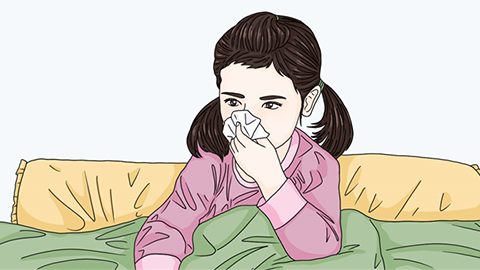
If you experience nasal dryness, gently apply a cotton swab coated with erythromycin ophthalmic ointment or liquid paraffin inside the nasal cavity to maintain moisture and prevent mucosal injury. Avoid smoking and alcohol consumption, as well as spicy or irritating foods. Drink plenty of water and ensure regular bowel movements. For mild epistaxis, pinch the soft, front portion of the nose with your fingers for several minutes—this usually stops the bleeding.
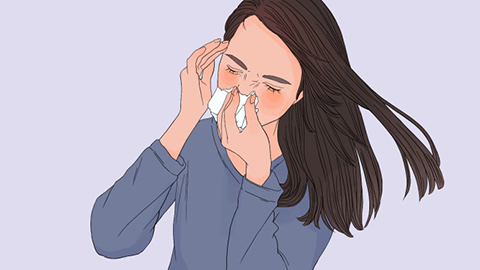
In daily life, consume more fresh fruits and vegetables rich in vitamin C—such as kiwifruit, grapes, strawberries, and cucumbers. Vitamin C helps maintain vascular integrity, reduces nasal bleeding and exudation, and promotes wound healing. If nosebleeds persist, consult a physician for blood tests and liver function assessments to rule out hematologic disorders or hepatic disease as underlying causes.We hope this information is helpful to you!