What Are the Common Causes of Nosebleeds?
Aug 24, 2022
Source: Cainiu Health

Dr. Xu Gang
Introduction
The main causes of frequent nosebleeds include the following:
1. Nasal mucosal dryness: Most cases are likely due to nasal dryness. Nasal dryness can result from various factors, including climate, dietary habits, and environmental conditions. Nasal bleeding can be alleviated by applying nasal moisturizing and lubricating agents—such as chlortetracycline hydrochloride eye ointment or compound menthol nasal drops—especially in dry indoor or environmental conditions.
Many people experience recurrent nosebleeds (epistaxis). The nose may feel neither painful nor itchy, and there are often no other distinctive symptoms—yet bleeding occurs suddenly. This can be particularly embarrassing when it happens in public settings. So, what are the most common causes of nosebleeds?
Most Common Causes of Nosebleeds
The primary causes of recurrent nosebleeds include the following:
1. Dry nasal mucosa: This is the most frequent cause—often resulting from nasal dryness. Nasal dryness may stem from various factors, including climate (e.g., cold, dry air), dietary habits, and environmental conditions. Symptoms can be alleviated using nasal moisturizing and lubricating agents, such as chlortetracycline hydrochloride ophthalmic ointment or compound menthol nasal drops. In dry indoor environments, using a humidifier helps improve ambient humidity. Additionally, increasing fluid intake and consuming more vegetables and fruits can help prevent nosebleeds.

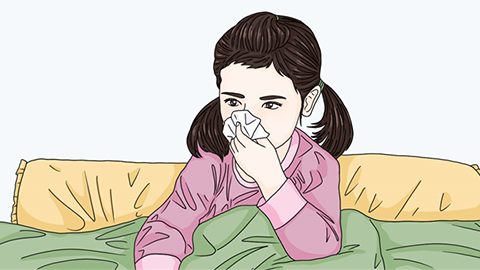
2. Nasal inflammation: Conditions such as rhinitis or allergic rhinitis may cause capillary dilation in the nasal mucosa. These disorders are often accompanied by nasal itching, discomfort, or rhinorrhea, prompting patients to pick their noses—a behavior that can easily injure the mucosa and trigger bleeding.
3. Nasal neoplasms: Examples include nasal mucosal hemangiomas, hemorrhagic polyps, nasopharyngeal fibrovascular tumors, and other nasal or paranasal sinus tumors—all of which may lead to epistaxis.
4. Systemic diseases: Hematologic disorders—including thrombocytopenia and leukemia—can also cause nosebleeds.
We hope this information proves helpful!