


Dizziness, chest tightness, and nausea at 27 weeks of pregnancy
Aug 24, 2022
Source: Cainiu Health

Dr. Lv Aiming
Introduction
Chest tightness at 27 weeks of gestation may result from cardiac compression due to fetal growth, or it may indicate underlying cardiac abnormalities or hypoxia; therefore, an electrocardiogram (ECG) should be performed to assess for abnormalities. The patient may receive supplemental oxygen therapy as appropriate and ensure adequate rest and sleep to further alleviate symptoms. If nausea and dizziness occur, pregnancy-induced hypertension syndrome should be primarily considered.
During pregnancy, dizziness is a common symptom. As dizziness can adversely affect maternal health, it should be alleviated promptly; otherwise, it may compromise the mother’s well-being. Moreover, it may also impact fetal health—yet many women are unaware of how to effectively relieve it. So, what should one do if experiencing dizziness, chest tightness, and nausea at 27 weeks of pregnancy?
Dizziness, Chest Tightness, and Nausea at 27 Weeks of Pregnancy
Chest tightness occurring at 27 weeks of gestation may result from cardiac compression due to fetal growth. Alternatively, it could indicate underlying cardiac abnormalities or hypoxia. An electrocardiogram (ECG) should therefore be performed to rule out cardiac pathology. Supplemental oxygen therapy may be administered as appropriate, along with ensuring adequate rest and high-quality sleep to further alleviate symptoms. If nausea and dizziness are present, pregnancy-induced hypertension syndrome (PIH) should be considered as a primary possibility; cervical spondylosis is another potential cause. Blood pressure should be closely monitored, and gentle massage of the head and cervical spine may be beneficial.
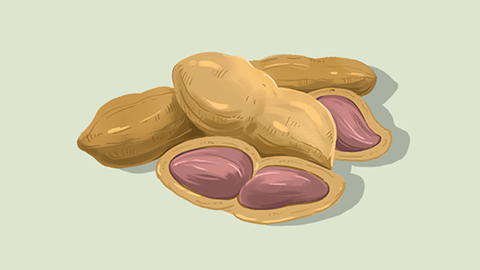
To achieve effective symptom relief, iron supplementation is essential. Pregnant women should consume more vegetables and fruits, which help mitigate iron deficiency and support hemoglobin synthesis—thereby alleviating dizziness. Additionally, iron-rich foods such as animal liver, peanuts, and lean meat should be included regularly in the diet, as they are highly effective in preventing or managing pregnancy-related anemia.
Adequate and balanced nutrition is crucial throughout pregnancy, and routine prenatal check-ups must be maintained to ensure fetal safety. We hope this information proves helpful to you.




