


Is moderate depression severe?
Aug 24, 2022
Source: Cainiu Health

Dr. Yang Jun
Introduction
Moderate depression is a relatively severe form of depression. Without treatment, it is highly likely to progress to severe depression, resulting in impaired social functioning and even serious adverse events such as self-harm and suicide. Patients with moderate depression typically retain some degree of social functioning—for example, they may still be able to manage academic, occupational, or social responsibilities—but often find these tasks significantly more difficult and less efficient.
Depression is a common psychiatric disorder encountered in clinical practice. Its onset is closely associated with the patient’s personality, living environment, and developmental experiences. Based on symptom severity, depression is classified as mild, moderate, or severe. So, how serious is moderate depression?
How serious is moderate depression?
Moderate depression is considered a relatively severe form of the disorder. Without appropriate treatment, it may progress to severe depression, resulting in impaired social functioning and even harmful outcomes such as self-harm or suicide. Patients with moderate depression typically retain some degree of social functioning—for example, they may still manage academic, occupational, or interpersonal responsibilities—but often find these tasks significantly more difficult and less efficient. Additionally, patients may perceive life as worse than death and express a desire not to live; although they may lack strong suicidal intent, they frequently experience profound self-loathing. Common symptoms include persistent sadness, loss of interest in previously enjoyable activities, low self-esteem, fatigue, sleep disturbances, sexual dysfunction, and changes in appetite.
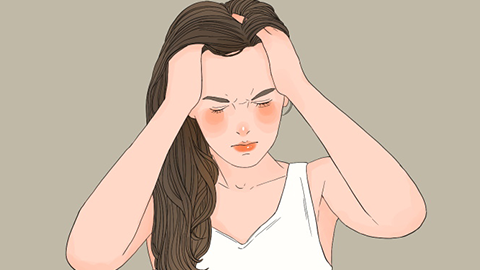
It is essential to emphasize timely, consistent, adequate, and sufficient treatment. Moderate depression often impairs work, academic performance, daily life, family relationships, and broader social or occupational functioning. Therefore, pharmacotherapy serves as the foundational treatment to help patients rapidly regain social and occupational functioning. During medication management, patients must strictly avoid self-reducing dosages or discontinuing treatment without medical supervision, as this increases the risk of relapse and complicates subsequent treatment—a critically important consideration.

In daily life, cultivating healthy lifestyle and dietary habits is highly recommended. We hope this information proves helpful to you.



