


Can sudden hearing loss and tinnitus be cured?
Aug 24, 2022
Source: Cainiu Health

Dr. Xu Gang
Introduction
Sudden sensorineural hearing loss and tinnitus can be effectively treated; this condition is not difficult to manage. With timely, targeted pharmacotherapy and appropriate supportive care, recovery can occur rapidly. Corticosteroids are commonly used to improve inner ear blood supply disturbances and exert anti-inflammatory and antiviral effects. These are often combined with calcium channel blockers to dilate the inner ear’s blood vessels.
Sudden sensorineural hearing loss (SSNHL), also known as “sudden deafness,” refers to an unexplained, rapid onset of hearing loss occurring within 72 hours, often accompanied by tinnitus. Can sudden deafness and tinnitus be cured?
Can sudden deafness and tinnitus be cured?
Yes, sudden deafness and tinnitus can be successfully treated—this condition is not difficult to manage. With prompt, targeted pharmacotherapy and appropriate supportive care, recovery can be achieved rapidly. Corticosteroids are commonly used to improve inner ear blood supply and exert anti-inflammatory and antiviral effects. These may be combined with calcium channel blockers to dilate inner ear blood vessels and reduce blood viscosity—both of which significantly aid recovery. Additionally, adjunctive therapies—including neurotrophic agents and blood-activating, stasis-resolving medications—can further enhance treatment efficacy.
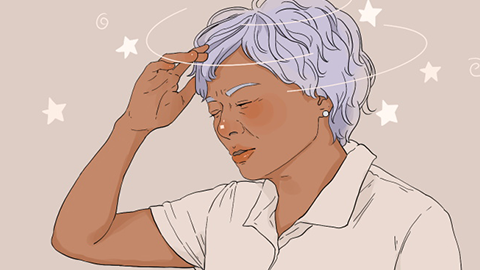
Physical therapy: In severe cases of sudden deafness and tinnitus where drug therapy alone fails to achieve timely resolution, adjunctive physical modalities—such as hyperbaric oxygen therapy or stellate ganglion block—may be employed to accelerate recovery.
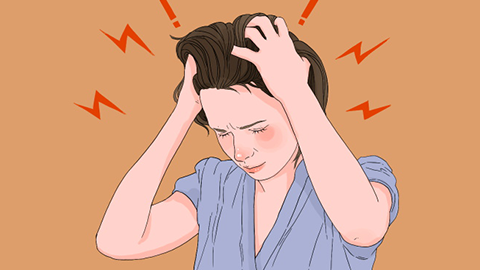
Surgical intervention: Surgery is another viable treatment option for sudden deafness and tinnitus. It offers highly effective outcomes and low postoperative recurrence rates. Such procedures can be performed safely at any reputable hospital. Importantly, patients must not only undergo these therapeutic interventions but also actively regulate their mental and emotional states—avoiding excessive mood fluctuations, anger, or undue psychological stress—and maintain a calm, stable emotional outlook. Concurrently, adopting healthier dietary habits is essential. We hope this information proves helpful!




