


What Causes Dizziness and Nausea in Early Pregnancy?
Aug 24, 2022
Source: Cainiu Health

Dr. Chen Zhe
Introduction
Dizziness and nausea during pregnancy are mostly caused by hormonal fluctuations associated with early pregnancy symptoms. Treatment is generally unnecessary, and dietary adjustments may be appropriate. However, such symptoms may also stem from conditions like anemia or pregnancy-induced hypertension syndrome. If dizziness and nausea are pronounced during pregnancy, it is advisable to seek medical evaluation at a hospital for definitive diagnosis and treatment.
After becoming pregnant, women undergo significant physiological changes. Due to hormonal fluctuations, early pregnancy symptoms—such as dizziness and nausea—are common during the first trimester and may be accompanied by irritability and anxiety. When these symptoms are severe, they can significantly disrupt a woman’s daily life. Fortunately, there are proactive strategies to help alleviate them. So, what causes dizziness and nausea during early pregnancy?
Causes of Dizziness and Nausea in Early Pregnancy
Dizziness and nausea during pregnancy are primarily attributable to hormonal changes that trigger early pregnancy reactions. In most cases, no specific treatment is required; dietary adjustments are often sufficient. However, such symptoms may also stem from other conditions, including anemia or pregnancy-induced hypertension syndrome. If dizziness and nausea are pronounced, it is advisable to consult a healthcare provider for definitive diagnosis and appropriate management. During pregnancy, elevated levels of hormones—including human chorionic gonadotropin (hCG)—can stimulate the gastrointestinal tract, leading to nausea.
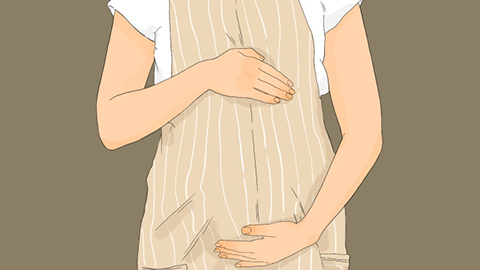
Following conception, a woman’s nutritional requirements increase substantially. Inadequate or untimely nutritional supplementation may result in iron-deficiency anemia, thereby contributing to dizziness and nausea during pregnancy. Pregnant women are encouraged to consume iron-rich foods, such as animal liver and lean meat. If necessary, oral ferrous succinate tablets may be prescribed under medical supervision. In cases of pregnancy-induced hypertension syndrome, blood pressure fluctuations may compromise cerebral perfusion and elevate intracranial pressure—potentially causing dizziness and nausea. Such patients may be treated with nifedipine sustained-release tablets, strictly under physician guidance.

To minimize pregnancy-related discomfort, women are advised to adopt a “small, frequent meals” approach. In most instances, pharmacological intervention is unnecessary. We hope this information proves helpful.







