


Why Do I Have Bad Breath, and What Can I Do About It?
Aug 24, 2022
Source: Cainiu Health

Dr. Zhang Liwen
Introduction
Halitosis can be treated by developing good habits and paying attention to diet. Individuals with halitosis should cultivate healthy oral hygiene practices, including brushing their teeth after every meal. Food particles remain in the mouth after eating; if not promptly removed, these residues provide a breeding ground for bacteria that contribute to bad breath. Therefore, brushing teeth after meals is especially important. Consistently maintaining this habit over time can prevent halitosis and alleviate its symptoms.
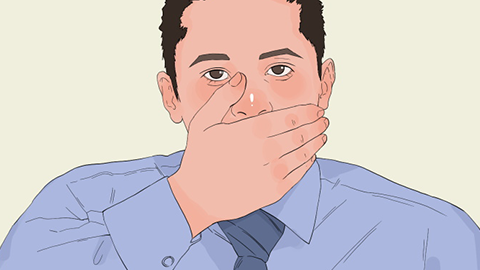
In daily life and work—whether interacting with colleagues, friends, or family members—close conversation and communication are inevitable. At such times, concerns about one’s own or the other person’s halitosis (bad breath) can cause significant embarrassment and discomfort. So, what causes halitosis—and how can it be addressed?
Causes of Halitosis and Management Strategies
Halitosis can often be managed effectively through lifestyle modifications, including cultivating good oral hygiene habits and paying attention to diet. Individuals experiencing halitosis should establish consistent oral care routines, especially brushing teeth after every meal. Food residues remaining in the mouth post-meal provide a breeding ground for bacteria; if not promptly removed, these bacteria proliferate and produce volatile sulfur compounds responsible for unpleasant odors. Therefore, brushing teeth after meals is particularly important. Consistent adherence to this habit over time helps prevent halitosis and alleviates existing symptoms. Consuming yogurt may help reduce hydrogen sulfide—a primary contributor to foul odor—by introducing beneficial probiotic bacteria that inhibit odor-causing microbes. People with halitosis are also encouraged to consume more fruits and whole grains. Apples and oranges, for example, help cleanse the oral cavity and disperse oral bacteria. However, spicy and irritating foods should be avoided.

Halitosis may stem from underlying medical conditions, including gastrointestinal or oral diseases. Patients with chronic gastritis, gastric ulcers, gastrointestinal motility disorders (e.g., constipation), or atrophic gastritis often experience distinctive oral odors—such as rotten egg, fecal, or sour smells—due to impaired digestive function. Similarly, individuals suffering from oral conditions—including purulent tonsillitis, pulpitis, dental caries, or periodontitis—commonly present with putrid or decay-like halitosis.
Patients should maintain mindful dietary habits—favoring vegetables and fruits while minimizing intake of spicy or hard-to-digest foods—and adhering to a light, balanced diet. We hope this information proves helpful.



