


Can moxibustion be performed during menstruation?
Aug 24, 2022
Source: Cainiu Health

Dr. Lv Aiming
Introduction
Moxibustion is contraindicated during menstruation because it promotes blood circulation, unblocks meridians, warms the channels, and dispels cold. During menstruation, most women experience a state of qi and blood deficiency. Performing moxibustion at this time may exacerbate blood loss, intensify physical weakness, impede recovery, and diminish therapeutic efficacy. During menstruation, women may instead consume warm water, hot soups, congee, and other warming foods.
During menstruation, women must pay attention to many details in daily life—for instance, avoiding exposure to cold and refraining from consuming spicy foods. However, some women experience dysmenorrhea (painful menstruation) or scanty menstrual flow, and may turn to moxibustion as a means of relief. So, is it safe to undergo moxibustion during menstruation?
Can moxibustion be performed during menstruation?
Moxibustion is generally contraindicated during menstruation because it promotes blood circulation, unblocks meridians, and warms the channels while dispelling cold. Most women are in a state of relative qi and blood deficiency during their period. Performing moxibustion at this time may exacerbate blood loss, intensify physical weakness, hinder recovery, and fail to achieve optimal therapeutic outcomes. Instead, women should drink warm water, hot soups, and congee during menstruation; keep the abdomen warm; avoid catching a cold; and consume moderate amounts of protein- and vitamin-rich fruits and vegetables. Whether moxibustion is appropriate during menstruation depends on individual circumstances—for example, if used for menstrual regulation, such as in cases of prolonged periods or dysmenorrhea.
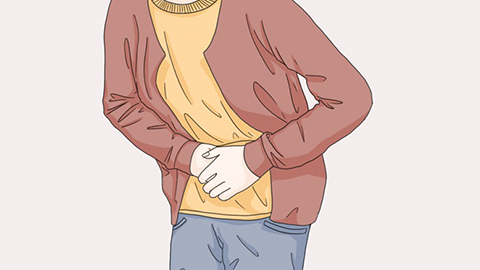
Dietary recommendations during menstruation typically emphasize warm, nourishing foods rich in high-quality protein. Suitable options include eggs, milk, fish, shrimp, lean meat, red dates, longan fruit, brown sugar water, animal offal, goji berries, and a variety of fresh vegetables and fruits. Consuming these foods helps replenish essential nutrients, tonify qi and blood, and prevent anemia and discomfort caused by menstrual blood loss. Moreover, there are no strict dietary restrictions during menstruation. In general, intake of raw, cold, or spicy foods should be minimized. Most other foods—when consumed in a balanced, diverse, and non-picky manner—can adequately support nutritional needs.
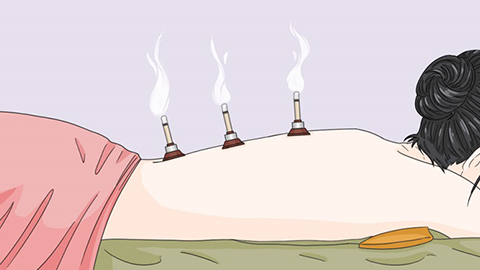
Women should closely monitor their physical condition during menstruation, maintain regular sleep schedules, and avoid staying up late. We hope this information proves helpful.



