


Is a descending colon tumor serious?
Aug 24, 2022
Source: Cainiu Health

Dr. Li Jingxiang
Introduction
If a descending colon tumor is benign and in its early stage—without noticeable symptoms such as abdominal pain or rectal bleeding—the condition is generally not severe. Benign tumors grow slowly and exhibit minimal invasiveness into surrounding tissues, making them relatively straightforward to treat. In contrast, if the descending colon tumor is malignant and has progressed to an intermediate or advanced stage, the condition is typically more serious.
The severity of a descending colon tumor varies from person to person. If it is benign, the condition may not be serious; however, if it is malignant, it can be quite severe. Patients are advised to seek prompt medical evaluation and follow their physician’s treatment recommendations. Analysis follows:
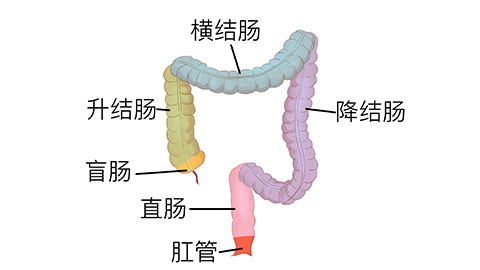
If the descending colon tumor is benign and detected at an early stage—without noticeable symptoms such as abdominal pain or rectal bleeding—the condition is typically not severe. Benign tumors grow slowly and exhibit minimal invasiveness toward surrounding tissues, making them relatively straightforward to treat.
If the descending colon tumor is malignant and has progressed to an intermediate or advanced stage—accompanied by symptoms such as rectal bleeding, abdominal pain, or unexplained weight loss—the condition is generally considered serious. Malignant tumors grow rapidly, aggressively invade adjacent tissues, and carry a high risk of metastasis, rendering treatment significantly more challenging.
Moreover, benign tumors may undergo malignant transformation over time. Therefore, patients are strongly advised to seek timely medical evaluation and treatment. During treatment, patients should quit smoking and alcohol consumption promptly, ensure adequate rest, and avoid prolonged sleep deprivation.







