


Treatment of Cough Variant Asthma
Aug 24, 2022
Source: Cainiu Health

Dr. Guo Xiheng
Introduction
Cough-variant asthma can be managed through allergen testing and preventive measures. Patients with cough-variant asthma often have allergies and should undergo allergen testing at a hospital. If specific allergens are identified, patients should avoid subsequent exposure to reduce the frequency of cough-variant asthma episodes. At night, patients may need to take antiallergic medications or bronchodilators—such as montelukast sodium—which can be used as monotherapy.
Cough-variant asthma (CVA) is a distinct form of asthma characterized by chronic cough as the sole symptom. Symptoms typically worsen before bedtime and upon waking, especially in the morning when exposed to cold air; it predominantly affects children. So, how is cough-variant asthma treated?
Treatment of Cough-Variant Asthma
Cough-variant asthma can be managed through allergen testing and preventive measures. Most patients with CVA have underlying allergies and should therefore undergo allergen testing at a hospital. Once specific allergens are identified, strict avoidance is essential to reduce disease exacerbations. At night, patients may require antiallergic medications or bronchodilators—such as montelukast sodium—which can be used as monotherapy but must be taken continuously for an extended period, typically at least six months to one year.
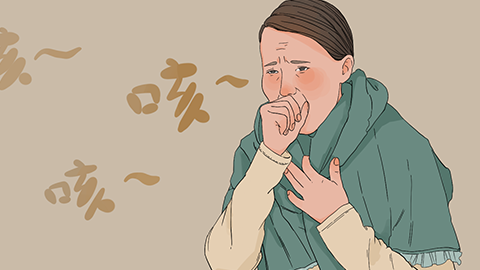
Patients with cough-variant asthma must take precautions—including avoiding known allergenic foods. Common colds can intensify coughing and worsen the condition; thus, maintaining warmth is crucial. Many individuals struggle with dietary discipline and inadvertently consume allergenic foods, which may aggravate symptoms and prolong treatment duration. In spring, when numerous flowers bloom, exposure to pollen can also trigger symptom flare-ups; therefore, keeping flowering plants indoors is discouraged. When outdoors, wearing a mask is advisable.
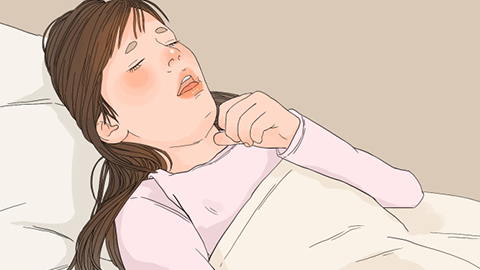
Medication must not be discontinued during treatment, as asthma requires long-term management. Premature cessation may lead to persistent or recurrent symptoms, potentially necessitating lifelong therapy. We hope this information proves helpful to you.



