


Is small airway obstruction asthma?
Aug 24, 2022
Source: Cainiu Health

Dr. Guo Xiheng
Introduction
Small airway obstruction may indicate asthma, but it is not always due to asthma. Asthma is a small airway disease characterized by episodic bronchospasm, paroxysmal cough, chest tightness, wheezing, and related symptoms; pulmonary function tests may reveal small airway dysfunction. However, small airway obstruction can also occur in many other conditions, such as chronic bronchitis and COPD.
Currently, asthma is medically classified into various subtypes, typically based on patients’ symptoms and clinical manifestations. Different asthma subtypes require distinct treatment approaches. Therefore, for asthma patients aiming for a cure, identifying the specific asthma subtype is essential. But is small-airway obstruction itself a form of asthma?
Is Small-Airway Obstruction Asthma?
Small-airway obstruction may be associated with asthma, but it is not always indicative of asthma. Asthma is fundamentally a disease affecting the small airways, characterized by episodic bronchospasm, paroxysmal coughing, chest tightness, wheezing, and related symptoms; pulmonary function tests may reveal evidence of small-airway impairment. However, small-airway obstruction can also occur in numerous other conditions—including chronic bronchitis, COPD, bronchiectasis, acute bronchitis, pulmonary tuberculosis, and diffuse panbronchiolitis.

Asthma commonly arises from inhalation of irritants such as dust or pollen, or from tracheobronchial inflammation, leading to airway hyperresponsiveness and manifesting clinically as recurrent cough, wheezing, and chest tightness. Besides asthma, small-airway obstruction may also occur in other obstructive lung diseases—such as chronic obstructive pulmonary disease (COPD) and obliterative bronchiolitis—resulting in symptoms including dyspnea, chest tightness, and respiratory distress. Diagnosis of obliterative bronchiolitis relies on supportive findings from pulmonary function testing, lung biopsy, and bronchoscopy.
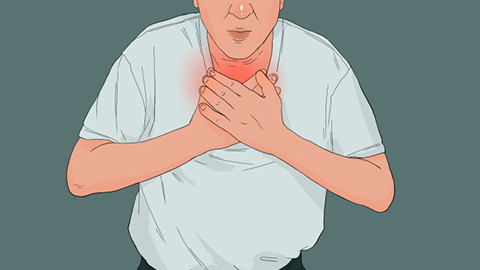
During treatment, patients should maintain a healthy diet, which can contribute meaningfully to recovery. We hope this information proves helpful.



