


Treatment of Cough Variant Asthma
Aug 24, 2022
Source: Cainiu Health

Dr. Guo Xiheng
Introduction
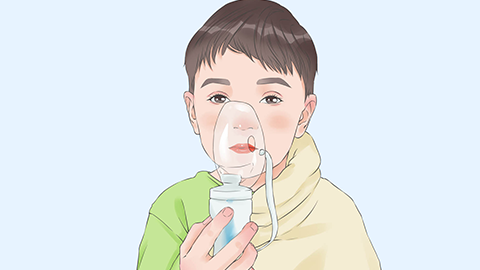
Treatment options for cough-variant asthma include nebulized inhalation and other interventions. For patients, regular inhaled corticosteroid therapy is required; a combination of budesonide and terbutaline may be administered via inhalation. These two medications are suitable for children under 10 years of age. In children aged 10 years and older, immune function is generally more mature, allowing for direct inhalation of the medications.
Cough-variant asthma (CVA) is a distinct form of asthma characterized by chronic cough as the sole symptom. Typically, symptoms worsen before bedtime and upon waking. Coughing intensifies in the morning, especially when exposed to cold air, and predominantly affects children. So, how is cough-variant asthma treated?
Treatment of Cough-Variant Asthma
Treatment options for cough-variant asthma include nebulized inhalation therapy and other supportive measures. For most patients, daily inhaled corticosteroid therapy is essential. A combination of budesonide and terbutaline is commonly prescribed. These medications are suitable for children under 10 years old; however, children aged 10 and older—whose immune systems are more mature—may use the inhaler directly without nebulization. In more severe cases, inhaled corticosteroids combined with antihistamines or other anti-allergic agents are recommended. If cough symptoms are prominent, adding a cough suppressant to the treatment regimen may enhance overall therapeutic efficacy.
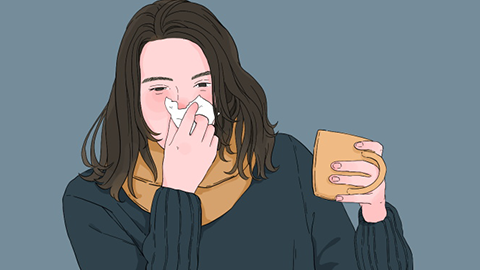
Patients with cough-variant asthma should take precautions to avoid common triggers: prevent colds, avoid allergenic foods, and minimize exposure to pollen. Upper respiratory infections can exacerbate coughing and worsen disease control; therefore, maintaining warmth—especially during colder seasons—is crucial. Many individuals struggle to adhere to dietary restrictions and inadvertently consume allergenic foods, which may aggravate symptoms and prolong treatment duration. During spring, when numerous plants bloom, airborne pollen levels rise significantly; contact with pollen can trigger symptom flare-ups. Thus, keeping flowering plants indoors is discouraged. When outdoors, wearing a mask is advisable.
During treatment, patients must not discontinue medication prematurely. Because asthma requires long-term management, stopping therapy prematurely may lead to persistent or recurrent symptoms—and potentially necessitate lifelong medication. We hope this information proves helpful.



