


Treatment Methods for Knee Synovitis
Aug 24, 2022
Source: Cainiu Health

Dr. Lin Yunfei
Introduction
The treatment of knee synovitis primarily includes surgical and conservative approaches. Adjuvant therapy can also be administered postoperatively to achieve optimal therapeutic outcomes. Conservative treatment is mainly indicated for non-invasive knee synovitis among non-neoplastic cases. Conservative management options include lifestyle modifications, exercise regimen adjustments, weight loss, regular intra-articular knee injections, and pharmacotherapy.
When suffering from knee synovitis, failure to seek timely treatment can significantly impair a patient’s work and daily life, causing considerable inconvenience. Therefore, patients with knee synovitis should engage in appropriate physical exercise in daily life to prevent disease progression. So, what are the treatment options for knee synovitis?
Treatment Options for Knee Synovitis
Treatment of knee synovitis generally includes both surgical and conservative approaches. Adjuvant therapies may also be employed postoperatively to optimize therapeutic outcomes. Conservative management is typically indicated for non-invasive, non-neoplastic forms of knee synovitis. Such conservative strategies may include lifestyle modifications, adjustments to physical activity, weight loss, periodic intra-articular knee injections, and pharmacotherapy. Surgical treatment primarily involves synovectomy—the removal of the inflamed synovial membrane—along with debridement of pathological tissue within the knee joint. It is important to recognize that no universally superior method exists for either preventing or treating synovitis. In clinical practice, warm compresses applied around the affected joint and relative rest (i.e., minimizing joint movement) are commonly recommended. During acute flare-ups, weight-bearing should be avoided as much as possible to reduce mechanical stress on the joint, thereby decreasing inflammatory exudate and promoting recovery.
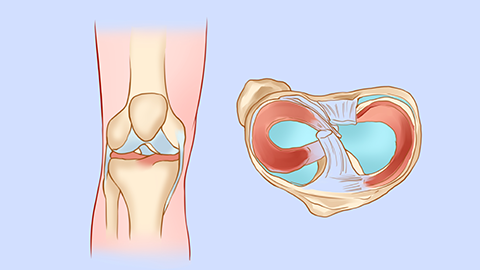
For massage therapy in knee synovitis, the patient assumes the same position described above, with muscles fully relaxed. The clinician begins by gently flexing and extending the knee joint in the sagittal plane, then progressively attempts full knee flexion followed by extension of the affected limb. In cases of neoplastic knee synovitis presenting with adverse symptoms, surgical resection is usually performed first; residual lesions often require subsequent radiotherapy for eradication. In synovitis associated with cartilage damage, cartilage cannot regenerate following surgical intervention; thus, adjunctive physical therapy and other supportive modalities are essential.
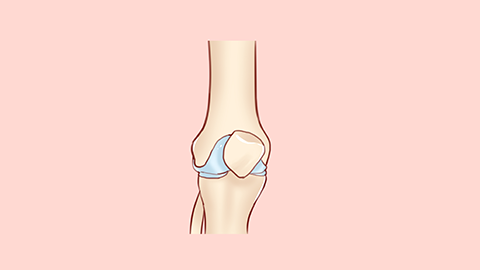
During active synovitis, dietary recommendations emphasize light, easily digestible foods rich in calories and high-quality protein. We hope this information proves helpful to you.






