


How to treat recurrent synovitis
Aug 24, 2022
Source: Cainiu Health

Dr. Lin Yunfei
Introduction
Recurrent synovitis can be treated through pharmacotherapy, physical therapy, and other methods. Pharmacotherapy may include both oral medications and topical ointments. For acute synovitis, rapid anti-inflammatory treatment is required; nonsteroidal anti-inflammatory drugs (NSAIDs) with analgesic properties may be prescribed. For chronic synovitis, traditional Chinese medicine (TCM) regulation is recommended—such as proprietary TCM formulas that strengthen the spleen and resolve dampness, nourish yin and promote fluid circulation, tonify qi and replenish fluids, or invigorate blood circulation and reduce swelling—along with appropriate reduction of physical activity.
Synovitis is a common condition, primarily affecting the knee joint. The knee joint contains abundant synovial tissue, has a large articular surface, and features a complex anatomical structure—making it particularly susceptible to injury and infection. Synovitis clearly imposes adverse effects on both patients and society; therefore, timely treatment is essential upon diagnosis. So, how is recurrent synovitis treated?
How to Treat Recurrent Synovitis
Recurrent synovitis can be managed through pharmacological therapy, physical therapy, and other approaches. Pharmacological treatment includes both oral medications and topical ointments. For acute synovitis, rapid anti-inflammatory intervention is required—nonsteroidal anti-inflammatory drugs (NSAIDs) with analgesic properties may be prescribed. In contrast, chronic synovitis often benefits from traditional Chinese medicine (TCM) for systemic regulation—for example, herbal formulas that strengthen the spleen and resolve dampness, nourish yin and promote fluid metabolism, tonify qi and replenish fluids, or invigorate blood circulation and reduce swelling. Concurrently, patients should minimize physical activity. In TCM practice, external application of medicated plasters is recommended to enhance local blood circulation and facilitate reabsorption of intra-articular effusion. Physical modalities include massage and manipulation to alleviate fluid accumulation and obstruction. Additionally, depending on clinical presentation, localized cold or heat therapy may be applied—both effectively reduce swelling.
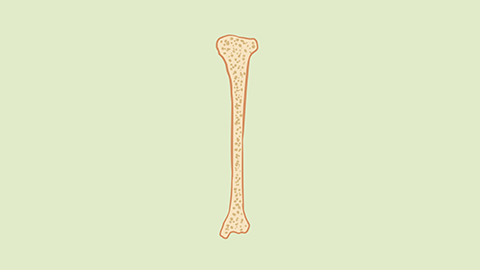
Synovitis has multiple etiologies, with chronic overuse being the predominant cause. It is an aseptic inflammatory condition of the synovium, typically triggered by cold exposure or repetitive strain, leading to inflammatory exudation and associated pain. Clinical severity ranges from mild to severe; however, most patients achieve full recovery with appropriate treatment. Therapeutic options include local heat application and massage, blood-activating and stasis-resolving herbal medicines, diclofenac sodium sustained-release capsules, topical medicated plasters, and infrared lamp therapy. Regular moderate exercise and avoidance of cold exposure further support rehabilitation.
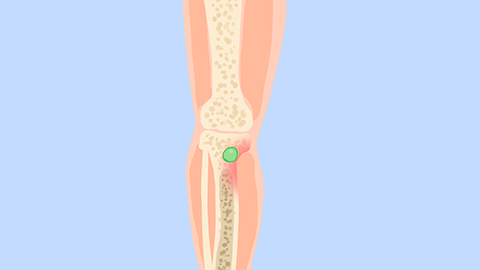
In daily work and life, avoid prolonged standing or squatting. Engage in appropriate aerobic exercise regularly, and adjust your diet to include calcium-rich, high-protein, and vitamin-dense foods. We hope this information proves helpful to you.






