


Prevention of Tenosynovitis
Aug 24, 2022
Source: Cainiu Health

Dr. Lin Yunfei
Introduction
Tenosynovitis can be prevented through appropriate exercise, maintaining correct posture, and avoiding prolonged static postures. This is especially important for office workers, who often sit at a computer for extended periods—maintaining the same posture for too long is harmful. It is advisable to schedule regular full-body movement breaks, with particular attention to the wrists. For example, office workers should use a wrist support pad while working at the computer to help maintain proper wrist alignment.
The tendon sheath is a double-layered, tubular, closed synovial membrane structure enveloping the tendon, serving as a protective synovial sheath for the tendon. It consists of two layers surrounding the tendon; the cavity between these two layers—the synovial cavity—is filled with synovial fluid secreted by the tendon sheath. So, how can tenosynovitis be prevented?
Prevention of Tenosynovitis
Tenosynovitis can be prevented through appropriate exercise, maintaining correct posture, and avoiding prolonged static positioning. This is especially important for office workers who spend extended periods seated at a computer—maintaining the same posture for long durations is detrimental. Scheduled whole-body activity breaks should be incorporated into daily routines, particularly focusing on wrist movement. For office workers, placing a supportive cushion under the wrists while working at a computer helps maintain proper wrist alignment (e.g., preventing the wrists from “hanging” unsupported in mid-air). Similarly, homemakers performing household chores such as laundry should pay attention to correct finger and wrist positioning—avoiding excessive flexion or extension. New mothers should avoid holding infants for prolonged periods.
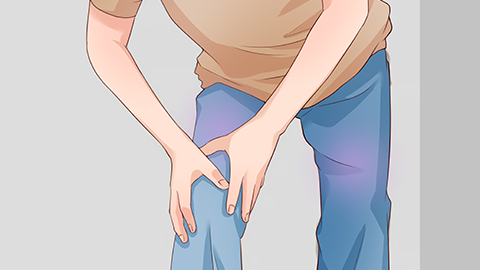
Tenosynovitis results from inflammation caused by repeated friction-induced swelling of the tendon sheath. In daily life and occupational activities, frequent repetitive motions lead to excessive friction between the tendon and its sheath. Additionally, certain anatomical features—such as bony prominences near joints or altered tendon tracking directions—can increase friction between the tendon and its sheath. Repeated friction triggers a sterile inflammatory response characterized by hyperemia, edema, and exudation within the tendon sheath. Chronic, recurrent friction ultimately leads to fibroblastic proliferation, thickening, and adhesions within the tendon sheath, resulting in stenosis and the development of stenosing tenosynovitis.

Patients with tenosynovitis should rest early, seek prompt diagnosis, and receive timely specialized treatment. Most patients achieve favorable therapeutic outcomes with appropriate intervention. We hope this information proves helpful to you.






