


Coronary Heart Disease Prevention
Aug 24, 2022
Source: Cainiu Health

Dr. Li Man
Introduction
Coronary heart disease (CHD) can be prevented through measures such as blood glucose control and smoking cessation. Poor glycemic control increases the risk of developing CHD; therefore, maintaining optimal blood glucose levels is the first priority in CHD prevention. This typically involves reducing intake of high-sugar foods and increasing consumption of hypoglycemic foods, such as bitter melon and purslane. If blood glucose levels remain persistently elevated, pharmacologic intervention under a physician’s guidance may be necessary.
An increasing number of people are now diagnosed with coronary heart disease (CHD). As the condition progresses, patients may develop complications such as myocardial infarction, heart failure, arrhythmia, angina pectoris, and myocardial ischemia. So, how can CHD be prevented?
Prevention of Coronary Heart Disease
CHD can be prevented through measures such as blood glucose control and smoking cessation. Poor glycemic control significantly increases the risk of developing CHD; therefore, maintaining optimal blood glucose levels is the first step in CHD prevention. This typically involves limiting intake of high-sugar foods and consuming more hypoglycemic foods—such as bitter melon and purslane. If blood glucose remains persistently elevated, medications may be prescribed under a physician’s guidance to stabilize levels. Once blood glucose is well-controlled, the risk of CHD decreases substantially. Regular smokers have high levels of nicotine circulating in their bodies.
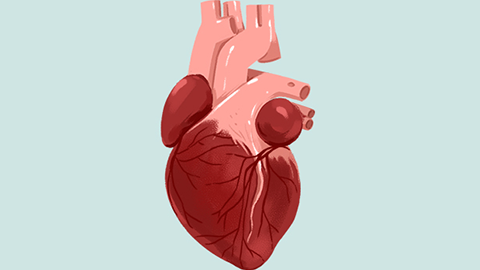
Young adults can also develop CHD. Smoking is a major modifiable risk factor for CHD—and the only preventable cause of death directly linked to it. A clear dose–response relationship exists between smoking and CHD incidence; this association tends to be stronger among white-collar workers than blue-collar workers, likely due to chronic psychological stress. Occupational factors thus play a role, underscoring the importance for young individuals to prioritize adequate rest, avoid fatigue and strenuous physical activity, and minimize mental strain. A light, low-fat diet is recommended, and alcohol consumption should be avoided.

It is advisable to follow a low-salt diet, maintain emotional stability, avoid staying up late, and reduce tobacco use. We hope this information proves helpful to you.




