


Regulation of Spleen-Kidney Yang Deficiency
Aug 24, 2022
Source: Cainiu Health

Dr. He Haochen
Introduction
Spleen-kidney Yang deficiency can be regulated through methods such as consuming goji berries and sesame seeds. Goji berries nourish the kidneys and liver and possess anti-aging properties—particularly beneficial for middle-aged and elderly individuals. When spleen-kidney Yang deficiency occurs, increasing intake of goji berries is recommended, as this can effectively alleviate symptoms and help prevent low back and knee pain. Sesame seeds nourish the liver and kidneys and moisten the lungs.
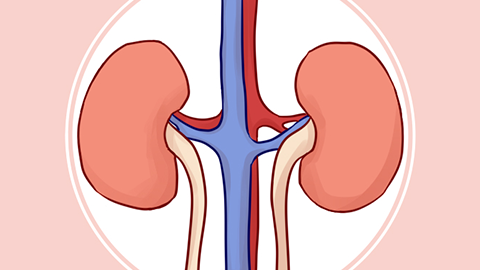
The kidneys themselves are also vital organs in the human body. Numerous chronic diseases—such as coronary heart disease, chronic hepatitis, and bronchial asthma—can cause renal damage, often accompanied by symptoms of kidney deficiency (shen xu). To achieve effective treatment, it is essential to master certain therapeutic approaches, as kidney deficiency and yang deficiency naturally exert a significant adverse impact on kidney function. So, how should one manage spleen-kidney yang deficiency?
Management of Spleen-Kidney Yang Deficiency
Spleen-kidney yang deficiency can be managed through dietary interventions, including goji berries (Lycium barbarum) and sesame seeds. Goji berries nourish the kidneys and liver, promote longevity, and are especially suitable for middle-aged and elderly individuals. In cases of spleen-kidney yang deficiency, increasing intake of goji berries may effectively alleviate associated symptoms and help prevent low back pain and knee pain. Sesame seeds nourish the liver and kidneys while moistening the lungs; they can effectively improve symptoms such as weakness in the lower back and legs, dizziness, tinnitus, and constipation caused by spleen-kidney yang deficiency.

Clinical manifestations of spleen-kidney yang deficiency include cold limbs, dizziness, fatigue, insomnia with frequent dreams, heightened sensitivity to cold and wind, and general bodily discomfort. The hands, feet, and extremities feel abnormally cold, with temperatures below normal. Additionally, these symptoms are commonly accompanied by signs of kidney deficiency—such as low back and knee pain, a fatigued facial expression, thirst, and reluctance to speak. The kidneys play a crucial role in nourishing and warming other zang-fu organs; thus, they are indispensable to overall health. Patients with chronic conditions—including chronic hepatitis and hypertension—often present with kidney deficiency, as prolonged untreated disorders of other organs may impair renal function. Therefore, treating underlying organ pathologies constitutes an effective strategy for managing kidney deficiency.
In daily life, attention should be paid to dietary regulation—avoiding overeating or irregular meals—and engaging in appropriate physical exercise. We hope this information proves helpful to you.





