


Can chronic urticaria resolve spontaneously?
Aug 24, 2022
Source: Cainiu Health

Dr. Liu Wan
Introduction
Chronic urticaria may resolve spontaneously, but the self-healing process is relatively prolonged. The disease course of chronic urticaria is typically long, lasting more than six months in most cases—and sometimes several years. However, clinical studies have shown that the duration of chronic urticaria rarely exceeds five, ten, or even several decades; moreover, symptoms gradually improve over time in the majority of patients.
Urticaria causes extremely distressing symptoms. Various skin lesions appear, accompanied by intense pruritus (itching). To prevent scarring, patients must avoid scratching, as doing so can significantly impair their quality of life. Urticaria often recurs because its etiology is multifactorial—leaving many patients confused and uncertain. So, can chronic urticaria resolve spontaneously?
Can Chronic Urticaria Resolve Spontaneously?
Chronic urticaria may resolve spontaneously, but the process typically takes a relatively long time. The disease course is generally prolonged, lasting more than six months in most cases—and sometimes extending to several years. However, clinical studies indicate that chronic urticaria rarely persists beyond five years, let alone decades. Over time, the majority of patients experience gradual symptom improvement. Spontaneous resolution may be linked to the underlying causative factors; as patients’ physiological functions gradually regain balance, signs of spontaneous remission may emerge.
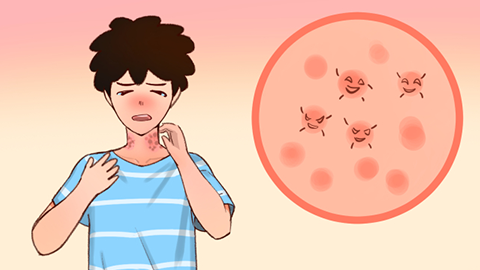
Some patients with chronic urticaria do achieve spontaneous remission, yet there is no fixed or predictable timeline for this. Chronic urticaria is commonly associated with autoimmune dysfunction or other endocrine disorders, classifying it as a chronic dermatological condition. Its hallmark manifestations include irregular, wheal-like (hive-like) skin changes and/or pruritus. Recurrent episodes significantly affect patients’ quality of life, necessitating active medical intervention.

Patients are advised to maintain healthy lifestyle habits—including consistent, early sleep and wake times—to support both physical and mental well-being. We hope this information proves helpful to you.



