


How to reduce swelling in urticarial angioedema
Aug 24, 2022
Source: Cainiu Health

Dr. Liu Wan
Introduction
Patients with urticaria are prone to developing localized edematous erythema or wheals. Edematous erythema can be treated with cold, moist compresses—such as cold green tea solution or cold normal saline. In addition, systemic medications should be used concurrently to reduce swelling, including oral antihistamines—commonly prescribed agents include ketotifen, cetirizine, levocetirizine, and loratadine. These antiallergic drugs possess anti-edematous effects.
Many individuals with relatively low skin resistance and immunity may notice clusters of small pimples on their skin during seasonal transitions each year, often accompanied by intense itching. Scratching these lesions with your hands can cause them to spread further. In fact, this condition is what we refer to as urticaria (hives). So, how can one reduce the swelling associated with urticarial edema?
How to Reduce Swelling in Urticarial Edema
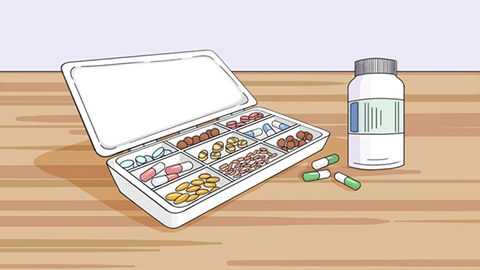
Patients with urticaria commonly develop localized edematous erythema or wheals. Such edematous erythema can be treated with cold, wet compresses—for example, using cooled green tea water or cold normal saline. Additionally, pharmacological treatment should be combined to alleviate swelling, such as oral antihistamines—commonly prescribed agents include ketotifen, cetirizine, levocetirizine, and loratadine. These anti-allergic medications possess anti-edematous effects.
Common causes include allergic reactions—such as food allergies, drug allergies, or contact allergies to irritants. A second major cause is infection, which can readily trigger systemic wheals, including bacterial, viral, or fungal infections. Furthermore, individuals with relatively compromised immune function—or those suffering from autoimmune disorders such as hyperthyroidism, systemic lupus erythematosus, or chronic autoimmune conditions like diabetes—may also present with urticaria distributed around the body.
Urticaria patients are advised to minimize intake of processed vegetarian foods containing artificial additives and instead consume more fresh fruits and vegetables. Patients should avoid scratching affected areas—and certainly refrain from slapping or striking the skin—since such actions may cause injury and increase the risk of urticaria exacerbation. We hope this information proves helpful to you.




