


Side effects of interventional therapy for liver cancer
Sep 13, 2022
Source: Cainiu Health
Dr. Peng Xiaodong
Introduction
Due to individual differences in physical condition, patients may experience symptoms such as nausea, vomiting, and abdominal pain after interventional therapy. These are mainly caused by the side effects of medications. Some patients may also develop low white blood cell counts, requiring concurrent injections of medications such as white blood cell stimulants. Local hematomas typically take about 1–2 weeks to be absorbed.
With the rapid development of society, increasing pollution from various industrial emissions has led to a rising incidence of cancer, including liver cancer. Once liver cancer develops, interventional therapy is often required. What are the side effects of interventional therapy for liver cancer?
Side Effects of Interventional Therapy for Liver Cancer
Due to individual differences in physical condition, patients may experience symptoms such as nausea, vomiting, and abdominal pain after interventional treatment. These are mainly caused by drug side effects. Some patients may also develop low white blood cell counts, requiring concurrent administration of medications such as white blood cell boosters. Local hematomas, if they occur, typically take about 1–2 weeks to be absorbed.

One of the most important ways to prevent liver cancer is through hepatitis vaccination to prevent hepatitis infection. Preventing hepatitis is one of the key strategies in preventing liver cancer. Not only should children receive the hepatitis B vaccine at birth, but adults who have never been vaccinated against hepatitis B or have never had hepatitis can also benefit from vaccination. Patients with active hepatitis should actively undergo standard antiviral drug treatments. Controlling hepatitis virus replication can greatly reduce the risk of developing cirrhosis and liver cancer. Viral hepatitis, cirrhosis, and liver cancer represent the three-step progression leading to liver cancer.
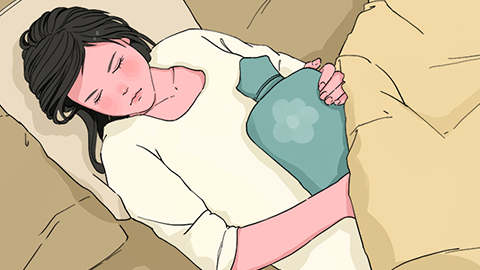
In daily life, it's also important to strengthen physical exercise, consume more high-protein foods, and maintain a positive mood. We hope this information is helpful to you. Wishing you good health and happiness.



