


Methods for treating rashes
Sep 13, 2022
Source: Cainiu Health

Dr. Liu Wan
Introduction
Rash should be treated according to specific conditions and the nature of the rash. Many dermatological diseases present with rashes, such as bacterial infections including erysipelas, furuncles or carbuncles, and cellulitis, which require antibiotic treatment—primarily penicillin or cephalosporin antibiotics. For furuncles and carbuncles, topical application of Jinhuang ointment is also needed, and in some cases, surgical incision and drainage may be necessary.
Many people develop rashes on their skin for various reasons, often accompanied by purulent discharge that may form crusts. Once diagnosed, prompt treatment is necessary to prevent potential complications. What are the treatment methods for rashes?
Treatment Methods for Rashes
Rash treatment should be tailored according to the specific condition and characteristics of the rash. Numerous dermatological conditions can cause rashes. For bacterial infections such as erysipelas, furuncles (boils), carbuncles, or cellulitis, antibiotic therapy is required, typically using penicillin or cephalosporin antibiotics. Furuncles and carbuncles may also require topical application of Jinhuang ointment, or even surgical incision and drainage.

Viral skin diseases such as herpes zoster (shingles) and herpes simplex require antiviral treatment, primarily with antiviral medications like acyclovir chewable tablets. Herpes zoster may also require combination therapy with nerve-nourishing agents such as vitamin B1, vitamin B12, pain relievers, and nonsteroidal anti-inflammatory drugs like diclofenac sodium tablets. Allergic conditions such as eczema and urticaria are mainly treated with antiallergy medications, including antihistamines like ebastine tablets or levocetirizine tablets. Topical treatments may include calamine lotion and corticosteroid creams, such as hydrocortisone butyrate. The specific treatment plan should be determined by a physician based on an accurate diagnosis.
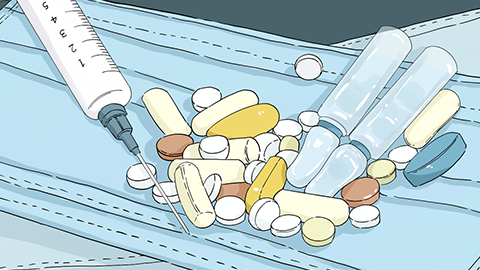
When experiencing a rash, avoid scratching with hands. If a child has a rash, keep their fingernails short and consider having them wear gloves at night. Avoid consuming spicy or irritating foods. We hope this information is helpful. Wishing you good health and happiness.





