


Is gastrointestinal stromal tumor malignant?
Sep 13, 2022
Source: Cainiu Health

Dr. Qi Zhirong
Introduction
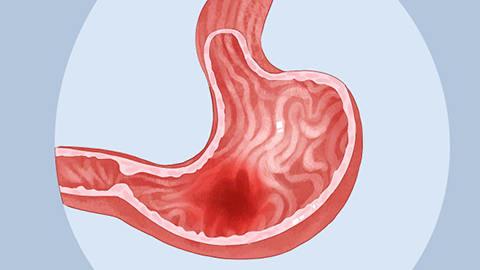
Gastrointestinal stromal tumor (GIST) is a malignant neoplasm. When patients develop gastric GIST, they may present with clinical symptoms such as abdominal pain, bloating, and rectal bleeding. This condition should be taken seriously, and patients are advised to undergo timely surgical intervention. Lymph node dissection is generally not required during surgery, as lymph node metastasis is rare in gastric GIST. With aggressive surgical treatment combined with targeted drug therapy, patients usually achieve good recovery outcomes.
Gastrointestinal stromal tumors (GISTs) are usually very small in size and often cause no symptoms in the early stages, so many patients are only diagnosed during endoscopic examinations. Are gastrointestinal stromal tumors malignant?
Are Gastrointestinal Stromal Tumors Malignant?
Gastrointestinal stromal tumors are malignant tumors. When a patient develops gastric stromal tumors, clinical symptoms such as abdominal pain, bloating, and rectal bleeding may appear. At this point, sufficient attention should be paid, and patients are advised to undergo surgery promptly. Lymph node dissection is not required during surgery, as gastric stromal tumors rarely metastasize to lymph nodes. Moreover, after surgical removal, patients must decide whether to take oral imatinib mesylate as targeted therapy based on pathological classification and genetic testing results, which benefits their overall health. Generally, with active surgical treatment combined with targeted drug therapy, patients recover well and only need regular follow-up examinations.

Patients with gastrointestinal stromal tumors should seek medical attention promptly after diagnosis. During surgery, care should be taken to avoid tumor rupture or compression. Postoperatively, diet should primarily consist of liquid or semi-liquid foods to prevent increased burden on the gastrointestinal tract. After surgery, patients should return to the hospital for复查 every 3–6 months to monitor for possible metastasis or recurrence.
Patients can travel moderately during recovery to distract themselves and alleviate depressive emotions. After tumor resection, patients should take targeted drugs, such as Gleevec (imatinib), as adjuvant therapy. Post-surgery, patients should rest in bed and avoid excessive fatigue. We hope this information helps you. Wishing you good health and happiness.







