


Eczema symptom presentation
Sep 13, 2022
Source: Cainiu Health

Dr. Liu Wan
Introduction
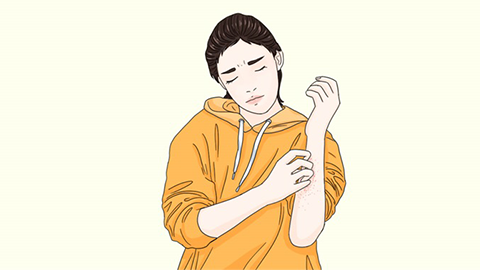
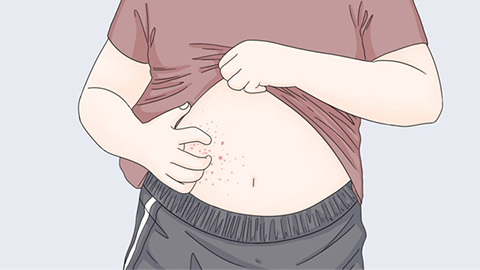
Eczema is mainly divided into three stages, with the first stage being acute eczema. It typically develops suddenly and appears symmetrically distributed, commonly affecting areas such as the head, face, and lower leg joints; in severe cases, it may spread throughout the entire body. The lesions are polymorphic, presenting as papules, vesicles, or bullae on erythematous bases. The borders are usually poorly defined. After scratching, exudation or erosion may occur, followed by crusting.
Eczema is a type of skin condition. Its occurrence may lead to skin itching, and it is important to seek timely medical attention at a dermatology clinic to prevent interference with daily life. What are the symptoms of eczema?
Symptoms of Eczema
Eczema is mainly divided into three stages, with the first being acute eczema. It typically develops suddenly and appears in a symmetrical distribution, commonly affecting areas such as the head, face, and joints of the lower legs, and in severe cases may spread throughout the body. The rash is polymorphic, presenting as papules, vesicles, or blisters on red patches with indistinct borders. Scratching may lead to oozing or erosion, followed by crusting. If not properly managed, the condition may progress to subacute or chronic stages. During the subacute phase, redness and exudation decrease, with predominant features including papules, scaling, and crusts, along with fewer vesicles and less oozing, accompanied by itching.
Depending on the patient's age and the type of skin lesions, eczema can be treated in various ways. For adults, antihistamines may be selected—either singly or in combination—such as ebastine, cetirizine, or levocetirizine dihydrochloride. When treating children, greater caution is required in using antihistamines, especially for infants under one or two years old, where selection must be particularly careful. Topically, wet dressings are initially recommended for exudative lesions. If there is no exudation, creams or lotions may be used instead. For chronic eczema with lichenified (thickened) skin, ointments or pastes are appropriate treatments.
During skin recovery, proper local care is essential. Keep the affected area dry and clean. We hope this information is helpful to you. Wishing you good health and happiness!






