


The difference between eczema and urticaria
Sep 13, 2022
Source: Cainiu Health

Dr. Jiang Weimin
Introduction
Eczema most commonly presents as itchy skin, with redness, thickening, peeling, and oozing visible at the affected sites. Its most distinctive feature is symmetry, and it tends to last for a prolonged period—lasting weeks or even months if left untreated. With proper treatment, eczema gradually resolves and the rash may slowly return to normal. Urticaria (hives) presents as small raised wheals on the skin that may appear red, pale, or matching the individual's normal skin color.
Eczema and urticaria are both common skin conditions—so what distinguishes eczema from urticaria?
Differences Between Eczema and Urticaria
The most common manifestation of eczema is pruritus (itching), accompanied by erythematous patches, lichenification (skin thickening), scaling, and exudation at the affected sites. Its hallmark features include symmetrical distribution and prolonged duration: untreated cases may persist for several weeks or even months. With appropriate treatment, eczema gradually resolves, and the skin lesions slowly return to normal. Urticaria—commonly known as “hives” or “nettle rash”—is characterized by transient, raised, well-demarcated wheals that appear red, pale, or skin-colored. These wheals lack exudation and typically resolve spontaneously within hours, only to recur elsewhere on the body. The underlying causes differ: eczema often has a genetic component, whereas urticaria is frequently triggered by infections or allergic reactions.
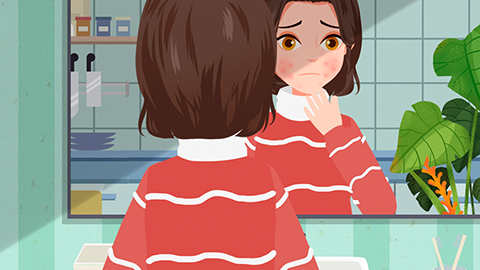
Urticaria is a common cutaneous edematous reaction. Most cases result from allergic responses: allergens trigger localized skin inflammation, causing erythema, swelling, and intense pruritus. Scratching further aggravates inflammation and may exacerbate or perpetuate urticarial symptoms. Individual susceptibility also plays a role—patients with compromised immunity, allergic constitutions, irregular lifestyles, disrupted circadian rhythms, or endocrine imbalances are more prone to developing urticaria. Environmental factors contribute as well: frequent exposure to wind, invasion by wind-cold pathogens, impaired skin barrier function, internal organ dysfunction, stagnation of qi and blood, and heightened psychological stress can all manifest cutaneously as urticaria. Additionally, certain medications (e.g., penicillins or cephalosporins) or foods may provoke allergic reactions leading to urticaria.
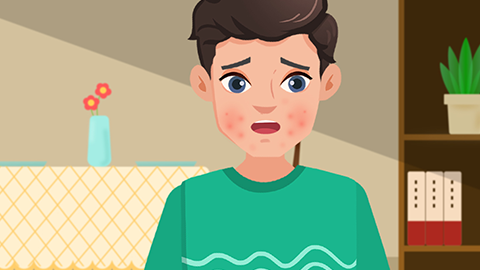
If you experience any of these symptoms, seek prompt medical evaluation and treatment at a healthcare facility. We hope this article has been helpful. Wishing you optimal health and happiness!






