


The best treatment method for eczema in pregnant women
Sep 13, 2022
Source: Cainiu Health

Dr. Liu Wan
Introduction
Pregnancy-related eczema may be triggered by hormonal changes within the body, potentially causing a series of allergic reactions leading to eczema and other forms of dermatitis. These women might be allergic to their own progesterone, and symptoms often resolve naturally after childbirth as hormone levels gradually decrease over time. Therefore, the definitive approach to treatment is to wait for natural delivery, followed by the body's natural hormonal recovery.
Pregnant women are a special population. Even when suffering from eczema or other skin conditions, oral or intravenous medications should be avoided as much as possible during treatment. Eczema itself is a chronic, inflammatory, and itchy skin condition with multiple underlying causes, including internal bodily factors, genetic predispositions, and immune system abnormalities. So, what is the best way to completely cure eczema in pregnant women?
Best Method to Cure Eczema in Pregnant Women
Eczema in pregnant women may be triggered by hormonal changes within the body, which can induce allergic reactions leading to eczema and other forms of dermatitis. Some women may be allergic to their own progesterone, and after childbirth, as hormone levels gradually return to normal over time, the condition often resolves naturally. Therefore, the most effective "cure" for pregnancy-related eczema is to wait until after natural delivery, allowing hormone levels to normalize on their own.
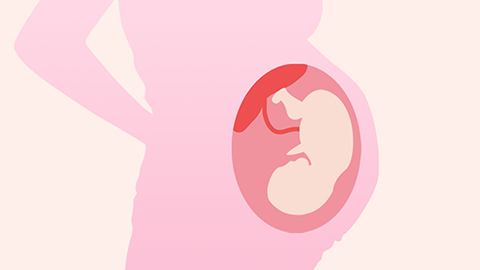
During pregnancy, some women experience severe itching due to eczema or other dermatitis, which can be unbearable. Antihistamines may be given to relieve itching, and topical treatments can also be used to reduce itchiness and inflammation, such as敷料 (dressings) that help repair the skin barrier function. These approaches can alleviate symptoms during pregnancy while protecting the fetus, without causing any adverse effects on fetal development.
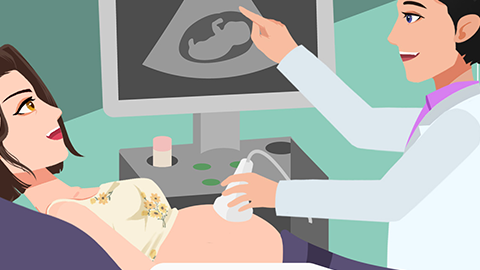
Especially during the first and second trimesters, oral corticosteroids and antihistamines should be avoided as much as possible to prevent potential harm to the fetus. For severe cases, intravenous vitamin C and calcium supplements may help relieve itching. Patients should also avoid using hot water or soap to irritate the skin and refrain from consuming spicy foods. We hope this information is helpful. Wishing you good health and happiness!




